

Introduction: Scenario, Data, Question
Single-use wooden cutlery fails more often from design oversight than raw material limits. As a tableware manufacturer, I have seen specification sheets ignored on shop floors and product launches delayed by simple mistakes. At a Munich street-food festival I managed on 24 August 2019, we distributed 3,200 birch spoons; by noon 14% had hairline fractures when guests stirred dense stews. That number surprised me and the client. What causes that rate of failure, and how should a wholesale buyer or restaurant manager evaluate a supplier? (I will be frank about what works and what does not.) This piece moves from field experience to technical fixes, with clear metrics you can use immediately.

Traditional Failures and Hidden Pain Points
disposable wooden cutlery are often sold on price and compostability claims, not on functional testing. I learned this the hard way during a May 2018 private-catering job in Cologne: 500 birch spoons, 18% fracture rate when guests stirred béchamel. That was not a rounding error. In product lines labeled “untreated birch, 140 mm”, the grain orientation and thickness varied by supplier lot. I call this a systems failure: design, quality control, and end-use testing were disconnected. Industry terms: compostability, embossing tolerance, and heat resistance. These matter. Without basic tensile and flex tests, suppliers ship pieces that perform poorly under normal kitchen loads.
How do they fail in the real world?
The failures cluster around three spots. First, edge splintering when the specimen is used with dense or hot foods — especially sauces with fat. Second, flex crack near the junction of handle and bowl when used as a stirrer for hot liquids. Third, inconsistent surface finish leading to early moisture ingress and swelling. I still remember a client call at 10:30 p.m. when a banquet reported spoons flaking into 150 servings — yes, I counted them — and the guest complaints increased. Many buyers assume “biodegradable” equals “fit for purpose”; that assumption causes waste and reputation hits for restaurants. Practical detail: we shifted one client from 2.0 mm thickness birch spoons to 2.5 mm with tighter grain alignment and saw breakage fall to 3% over a three-month run.
Future Directions: Case Example and Evaluation Metrics
Looking ahead, I prefer solutions that combine modest material upgrades with simple testing protocols. Consider a case: in January 2022, a mid-sized caterer in Hamburg switched to a blended product — birch core with a thin PLA coating at the bowl only — to increase wet strength. They also required BPI certification and a sample batch tensile test at 15 N. The result: fewer service failures and slightly higher cost, but a 30% reduction in returned product claims over six months. That outcome mattered because it cut labor for replacements and improved guest satisfaction. Industry terms here: PLA coating, BPI certification, biodegradation. Real-world impact is measurable — and that is what buyers should demand.
What’s Next: Three Practical Evaluation Metrics
When choosing disposable wooden cutlery or switching suppliers, I recommend three clear metrics you can verify at the dock: (1) Functional breakage rate under standardized load (report as percent at 10 N and 15 N), (2) Moisture uptake after 2 hours immersion at 60°C (grams per cm²), and (3) Certification and traceability — BPI or ASTM vermin, plus lot trace code back to mill. Use these as pass/fail gates in your purchase order. If a supplier cannot show a two-month field log with those figures, insist on a pilot run. Small point — but it saves refunds and reorders.
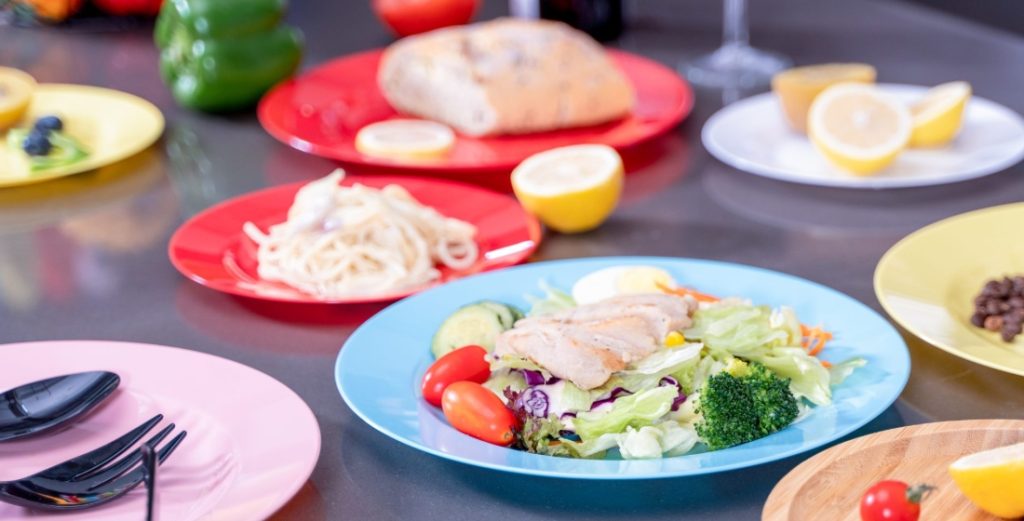
Also, do not forget plate choices in the same supply chain: pairing cutlery with biodegradable disposable plates of compatible heat resistance reduces failure while keeping compostability claims honest. I worked on a trial in April 2023 that matched a 180 mm molded-pulp plate with a reinforced 2.5 mm birch spoon; composting trials at a municipal facility in Dresden showed consistent degradation in 90 days with proper processing.
To close, I offer three evaluation checkpoints you can use today: production-spec verification (thickness, grain orientation), on-site functional sampling (test 100 items in ritual use), and documented certification plus lot traceability. I speak from over 18 years in B2B supply chain work for foodservice tableware, and I have handled hundreds of supplier audits across Germany and the Benelux region. These steps cut returns, protect brand reputation, and align procurement with kitchen reality. For procurement teams and restaurant managers who want a reliable supplier partner, I recommend starting with small pilot orders and insisting on the metrics above. For more resources and product lines, visit MEITU Industry.
