Questions to ask when scoping service needs for explosion‑proof LED lighting fixtures
A problem-driven opening
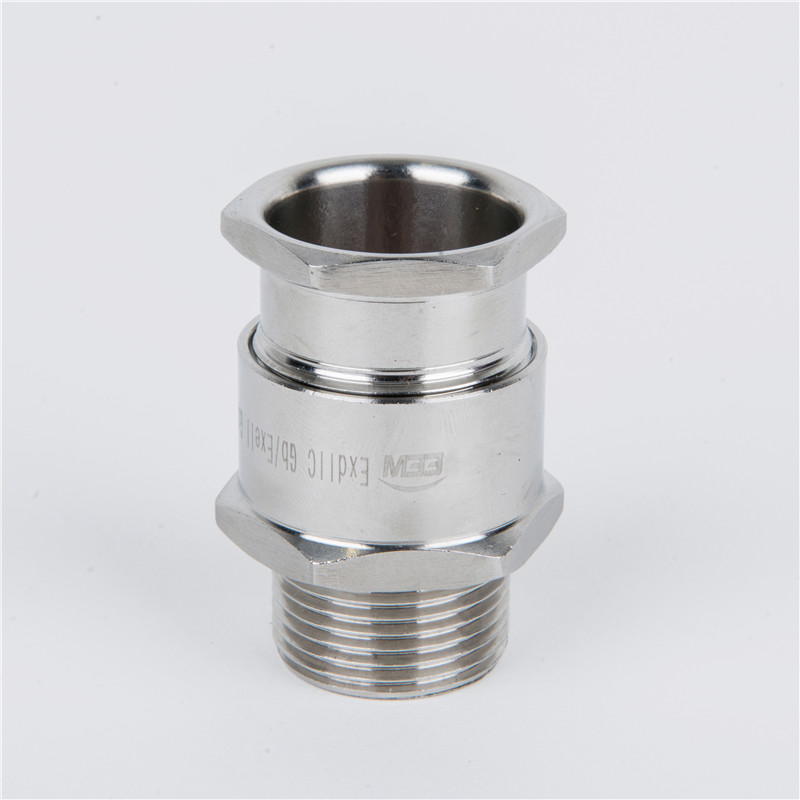
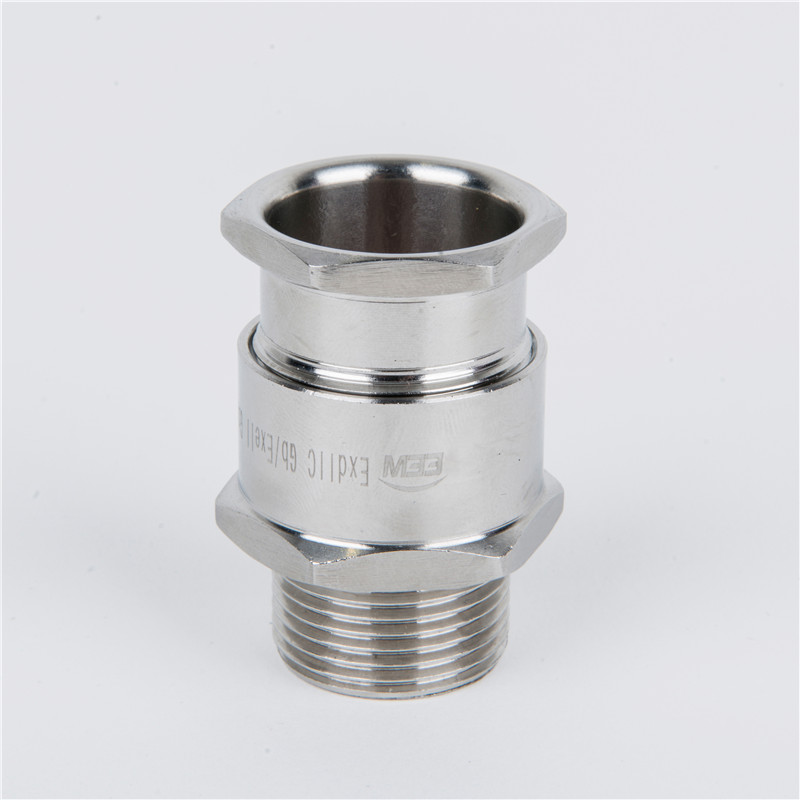
Projects stall when procurement misunderstands what a single lighting package must include; the ledger shows delays, and the site manager shows a map of mismatched parts. Start by naming the precise items and accessories you expect the bidder to price — for example, ask how the supplier documents cable entries and whether they list an explosion proof cable gland in the bill of materials — then push for a named contact who will own answers for the whole delivery. Think of this as fixing the leak before the tide comes in; clarity now saves time later, and a plain query about a single ex proof cable gland can expose wider gaps in the bid.
Who owns what: roles and accountability
Ask which party will be the single point of responsibility for procurement, delivery and the bundle of documentation. Who will coordinate between the electrical, civil and instrumentation teams? Who will provide the full component list and the single contact for queries? Require named roles rather than vague promises so the project can trace decisions back to an accountable source.
Scope clarity: what should be in the contract and the quote
Request explicit lists: complete item descriptions, accessories, recommended spares, packaging and storage instructions, and any supplier-supplied documentation. Ask suppliers to identify what they consider ‘included’ and what they expect the buyer or installer to supply. Push them to state lead times and how substitutions are handled, phrased as questions for your engineer to verify.
Interfaces and coordination across teams
Query how handovers will be managed between the equipment vendor, main contractor and on-site teams. Who will confirm physical and administrative compatibility? Who reviews drawings and reconciles differences? These are coordination questions for planners and engineers rather than technical directives you should attempt to resolve without their input.
Procurement pitfalls to watch for
Watch for bids that omit accessories or list vague deliverables. Beware optimistic lead times with no named contingency, and quotes that lack spare-part details. Common mistakes include assuming the contractor will source missing items, failing to name a contact for discrepancies, and overlooking packing or storage needs before site handover. Frame each of these as a checklist question for suppliers.
Questions to put to suppliers and to your engineer
Which documents will you receive at delivery, and who signs them? Who is the appointed contact for technical clarifications and for commercial disputes? What is included in the quoted scope and what is excluded? How are substitutions handled and who approves them? What spare parts and consumables are recommended to be ordered with the equipment? How are lead times and delivery milestones recorded in the contract? Who coordinates interfaces with other trades? Let these questions form your procurement brief so technical answers come from the qualified parties.
Keep the brief tight, name the responsibilities, and make the supplier show the components and paperwork up front; that simple discipline — and the way a supplier presents its component lists and contact details — is where much of the risk is managed, as buyers often see when they compare bids from firms such as sunleem.