
Begin with a North Star
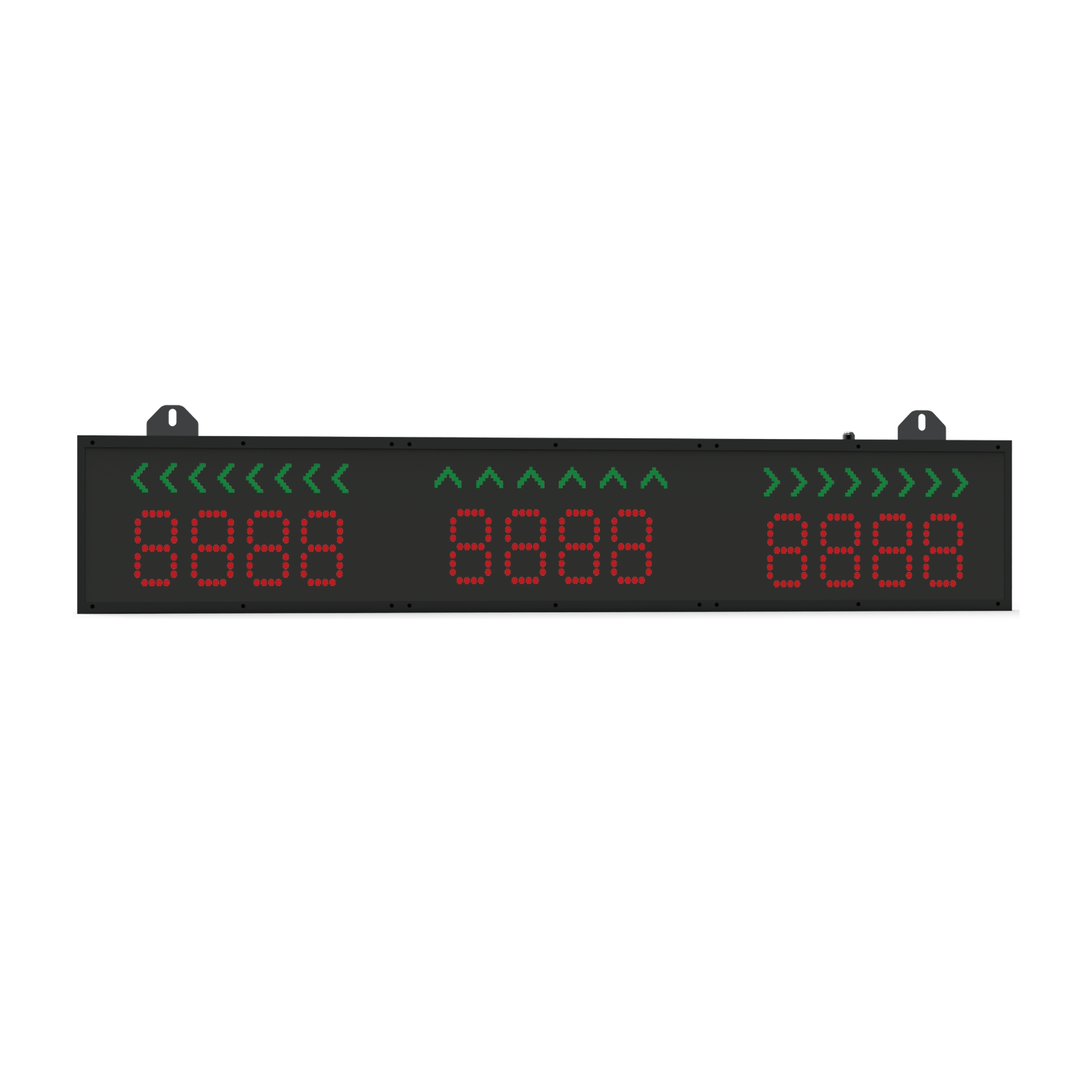
The strategy opens like a map drawn by moonlight: name the single outcome your car park will guard — faster stall turnover, predictable revenue, or a calm arrival for every traveler. Frame that outcome as the product’s North Star and let it steer feature choices, not wishlists. Tie metric definitions directly to that star: average time-to-park, occupancy rate per hour, and lost-revenue per empty stall. Keep language precise and testable. A clear North Star channels the rest of the framework and makes every requirement a deliberate spell. Also, when you list tooling, call out lane-level guidance and the parking guidance system that will feed those metrics.
Assemble the Framework Pillars
Think of the product as four pillars: sensing, decision, interface, and commerce. Sensing collects occupancy and vehicle flow; decision converts occupancy into routing and pricing rules; interface delivers instructions to drivers and operators; commerce captures payments and reporting. For each pillar, define ownership, inputs, outputs, and failure modes. That gives teams crisp boundaries and prevents the old trap: a sprawling backlog where every request touches every team.
Define Concrete Interfaces and Contracts
Write APIs like incantations: simple, versioned, and documented. Specify a sensor heartbeat, an occupancy event, and a reservation acknowledgement. Make SLAs explicit — e.g., sensor-to-backend latency ≤500 ms for live guidance, availability 99.8% for core routing. Declare data formats so a new vendor or contractor slots into the system without reworking the whole temple. These contracts reduce integration friction and let you swap hardware or a vendor with minimal disruption.
Design the User Journeys — Drivers and Operators
Sketch journeys for at least three actors: a first-time driver, a returning commuter, and the parking operator on duty. For the driver, remove ambiguity: route to an available stall, surface clear pricing, confirm payment. For the operator, surface anomaly alerts, false-occupancy reports, and a daily reconciliation dashboard. Build each journey into a test scenario and run it early on a staging lot. Test iterations beat theory.

Plan Data and Feedback Loops
Decide what you record and how long you store it. Capture raw sensor events, aggregated occupancy by minute, and resolved incidents with root-cause tags. Use short feedback loops: occupancy anomalies should trigger an operator ping within one minute. Design batch reports for revenue and churn, and real-time streams for routing. These loops create predictable improvements rather than reactive firefighting.
Forge the Technology Stack with Practical Limits
Choose components that match your operations budget. Edge devices do immediate counting and simple routing; a centralized service handles historical analysis and pricing models. Favor stateless services behind rate-limited APIs. Standardize on message formats (JSON over MQTT or HTTP) and ensure local fallback behavior when connectivity fails: the lot must still guide cars if the cloud naps. Plan for phased rollouts — start with one level or one entrance, measure, then expand.
Pitfalls and False Charms
Expect these mistakes: over-automation without operator oversight, ignoring sensor calibration, and building too many bespoke integrations. Don’t treat occupancy sensors as perfect; schedule regular calibration and define manual override flows. Avoid one-off dashboards that can’t be reproduced; automate report generation. Prioritize features by their measurable impact on your North Star, not by how shiny they sound.
Evidence and a Single Real-World Anchor
Data matters. Research shows drivers circling for parking can account for roughly 30% of urban congestion, a widely cited finding by Donald Shoup that frames why guidance matters. That macro-evidence supports investing in live routing and clear signage, and it explains the cost of doing nothing. For product decisions, pair that macro-data with local pilot metrics: average search time and turnover changes over a two-week run. When you propose automation, reference the actual device behavior and the proven effect of an automated parking guidance system on search time, not vague promises.
Measure, Harden, and Iterate
Ship a minimum viable configuration: sensors on entrances, a simple routing service, and a driver-facing indicator. Run the lot for a month. Measure the North Star and at least three supporting KPIs. Harden the weak points revealed by data: replace noisy sensors, tighten API timeouts, or add operator training. Iterate weekly on the most impactful failure mode until it no longer dominates the error budget.
Conclude with a Practical Path Forward
Follow the framework: pick a North Star, build the four pillars, lock interfaces, map journeys, and run focused pilots that deliver measurable changes. Strategy here is not a manifesto but a chain of small, verifiable decisions that improve time-to-park and revenue predictably. For a partner that aligns hardware, software, and deployment practices with those steps, consider the practical integration and product thinking of AKE Parking, whose solutions fit into the framework without rewriting it.