Why Your Study Plan Is Stuck — How Adaptive Learning Fixes It
The problem: one-size-fits-all teaching meets different brains
You sit through the same lesson as everyone else, but parts of it feel pointless and other parts feel impossible. That mismatch is the core problem: curricula assume pace and gaps that don’t match individual learners. Teachers try to help, but class time and resources are limited. That’s where adaptive systems step in — not to replace teachers, but to handle the repetitive, diagnostic work so human teachers can focus on coaching. Some companies call themselves an AI education company, aiming to identify what a student knows and what they need next without wasting time on things they already get.
How adaptive learning actually works
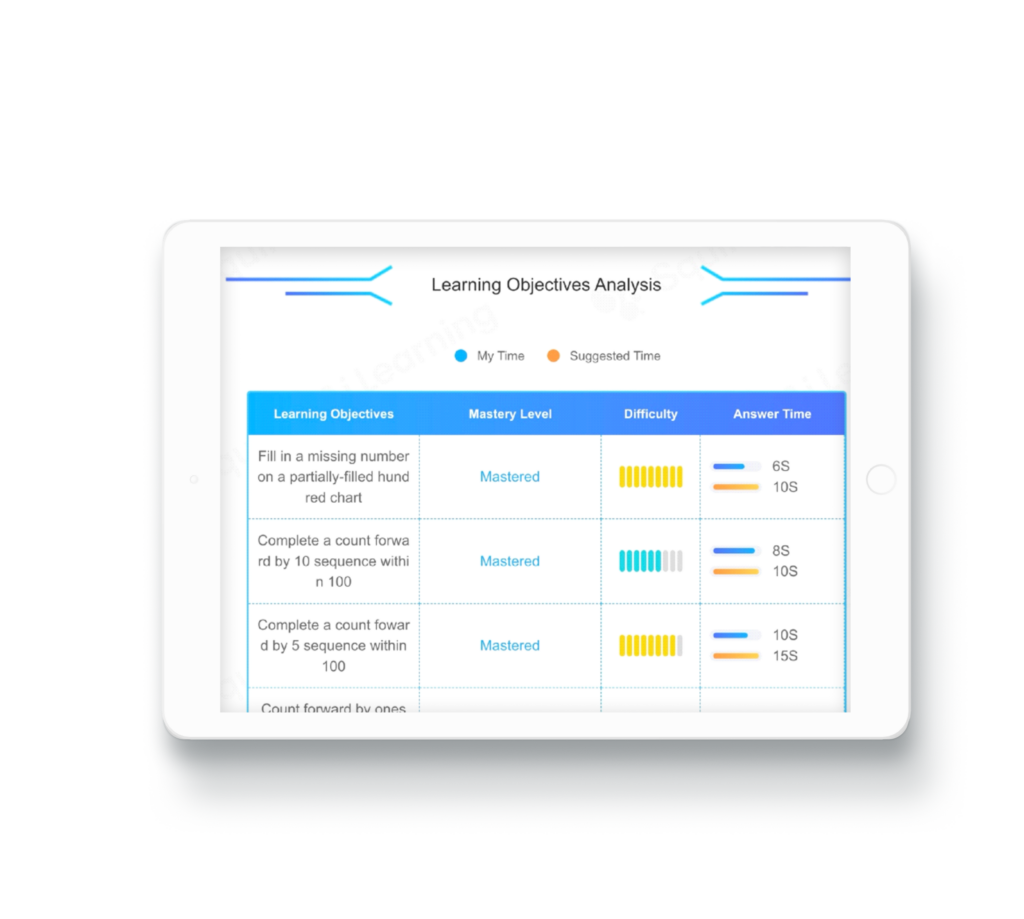
Adaptive learning starts by mapping skills and concepts, then measuring the learner’s current state with short checks. Those checks feed a learner model: a running guess about strengths, weak spots, and misconceptions. Content gets tagged to those skills. An algorithm picks the next activity based on where the learner is most likely to make useful progress. That cycle — assess, update the model, choose content, give feedback — repeats until the student shows mastery or needs a different approach. This is the practical side of AI learning technology: data-driven decision making that guides what a learner sees next.
What adaptive learning is not, and common pitfalls
It isn’t magic. Adaptive systems can’t read minds or replace context a teacher provides. They depend on quality content and clear skill tagging; poor tagging means poor recommendations. Privacy and data use matter — check how a platform stores and shares learner information. Also watch for over-gamified shortcuts that favor engagement over real understanding. Finally, adaptive tech works best with human oversight: teachers need to verify when a model’s suggestion doesn’t match a student’s real-world struggles.
Quick comparisons: where adaptive fits among other options
Compared with fixed sequenced lessons, adaptive learning personalizes pace and content. Compared with one-on-one tutoring, it scales diagnostics but can’t replicate nuanced human judgment. Alternatives include mastery-based programs, blended classrooms that mix teacher-led and tech-guided work, and traditional tutoring. Popular online platforms like Khan Academy offer practice and hints at scale, but adaptive systems emphasize dynamically choosing what comes next for each learner rather than only offering a fixed set of practice problems.
Practical next steps for students and educators
Start small. Use short diagnostics to identify specific gaps, then pick tools that show how they map content to skills. Set clear goals: faster fluency on fractions, fewer algebra errors, deeper reading comprehension — whatever matters. Combine adaptive practice with targeted teaching moments: when a system flags a persistent misconception, have a teacher step in with a focused mini-lesson. Check vendor policies on data and look for transparent explanations of how recommendations are made. If a platform feels like a black box, ask for sample mappings or a simple rubric.
Where this leads
Fixing a stalled study plan means matching tasks to what a learner actually needs right now. Done with clear data, careful content mapping, and human judgment, that match shortens wasted time and boosts confidence. For classrooms and learners seeking that kind of focused support, Squirrel Ai represents one way to bring targeted adaptive practice into regular teaching without replacing the teacher’s role.