
Opening diagnosis — the core problem
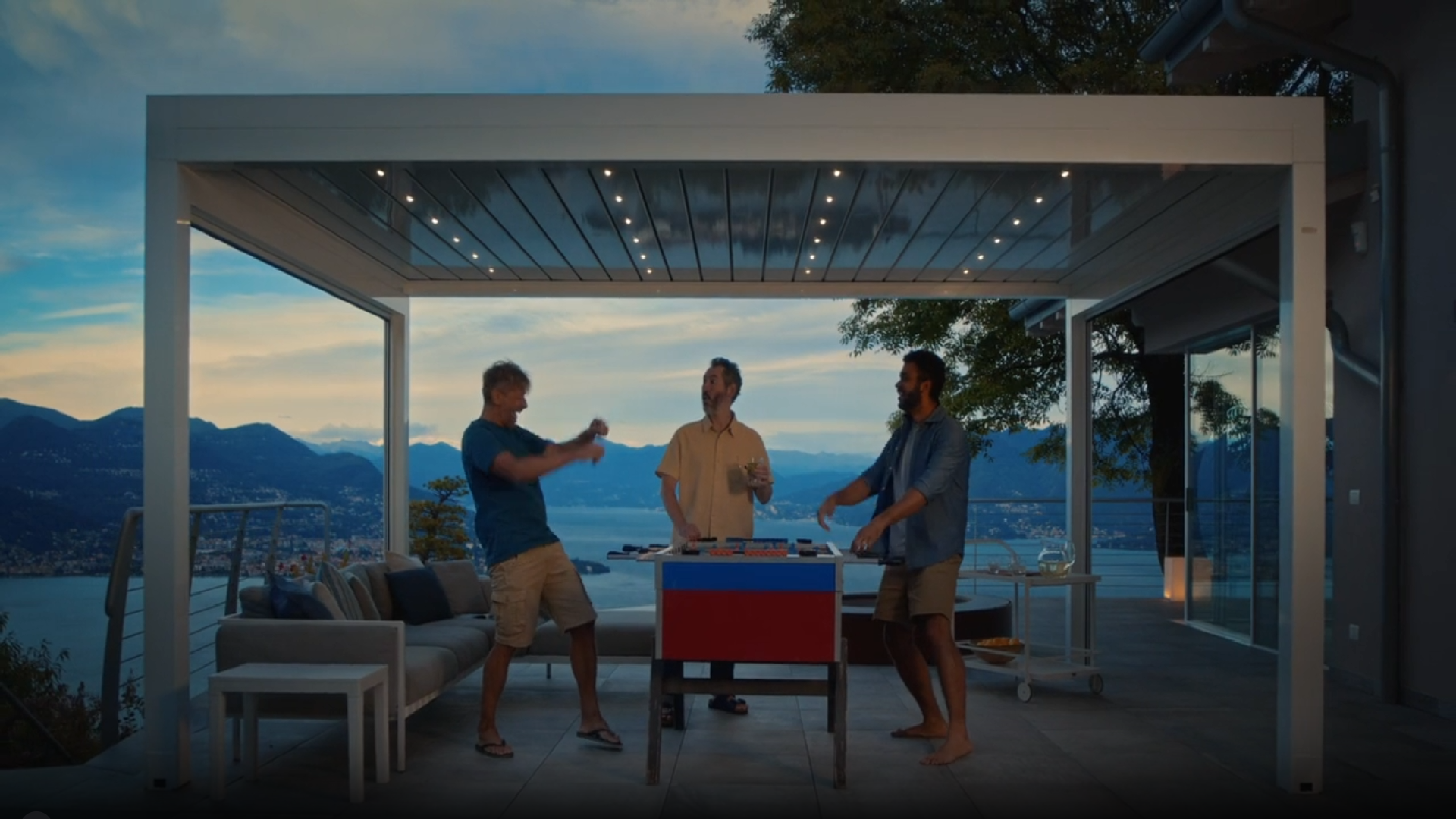
Buyers face a single clear problem: commercial pergolas either perform through cycles of weather and heavy use or they become costly liabilities. Think like a chef laying out a mise en place—materials, attachment details, and thermal behavior must be specified with the same precision you’d use to calibrate an oven. When owners want shade, daylight control, power generation and longevity, many turn to a solar pergola to solve two demands at once; the complication is matching the build to the site and codes.
Top failure modes buyers should fix first
Poor anchor design, underspecified wind and snow loads, and mismatched materials cause most failures. Steel that wasn’t properly galvanized rusts at the welds. Wood left without a tested finish warps under UV and moisture. Motors and drainage get treated like afterthoughts and then fail. The buyer who treats the pergola as a single product instead of a system invites leaks, squeaks, and expensive rework.
Material and structural options — how to read the spec sheet
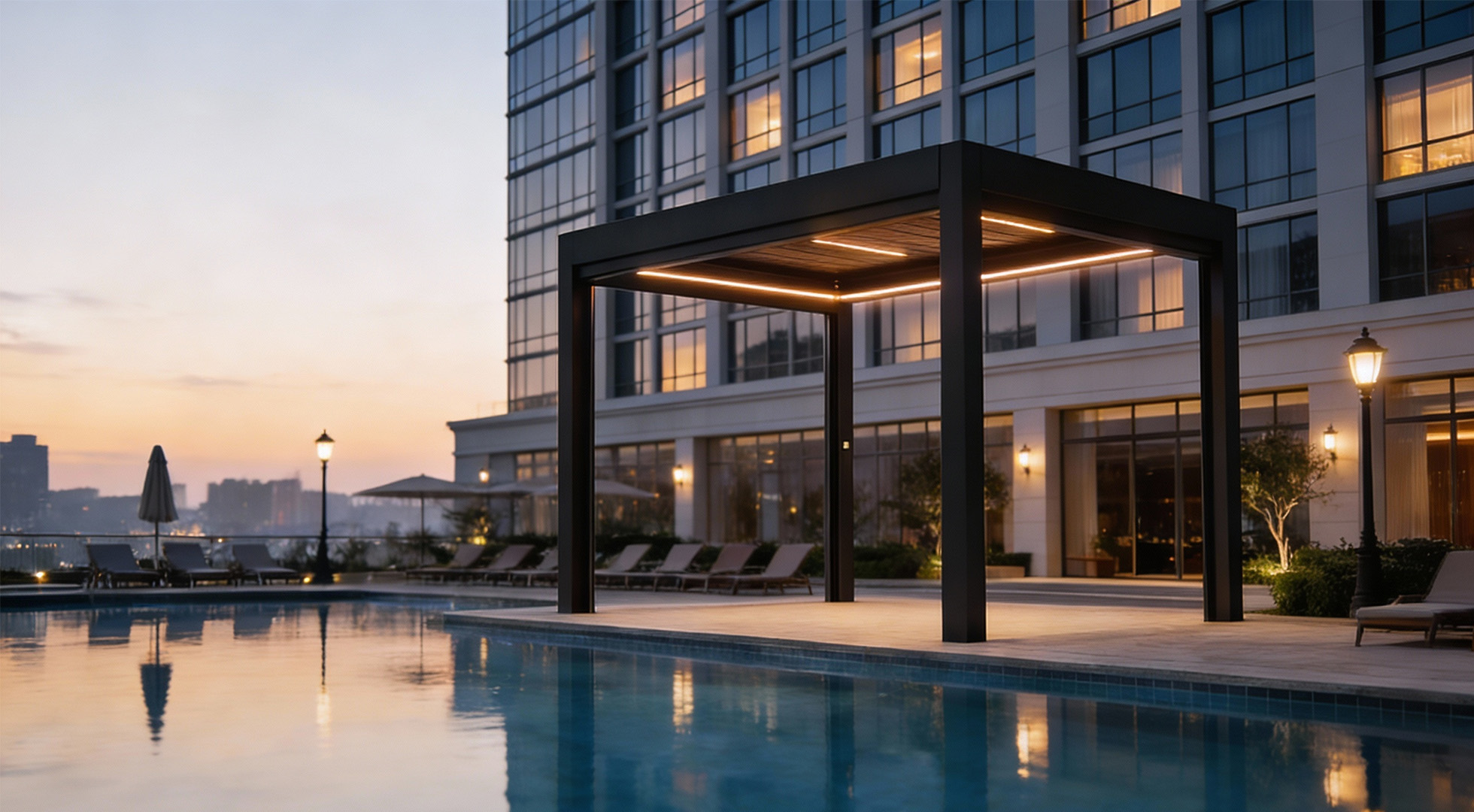
Aluminum: corrosion-resistant, lighter, expands with heat; choose powder-coat systems with proven UV testing. Steel: best for long spans and heavy loads when galvanized and painted; ask for welded-bolt detail drawings and cathodic protection if near salt air. Timber: aesthetic warmth but needs species-grade selection (cedar, ipe) and through-fastening methods that prevent creep. Composite: low maintenance but check long-term creep and color stability. Require structural calculations showing design wind speeds, snow loads, deflection limits, and connection details; don’t accept generic capacity numbers.
Design features that actually solve buyer problems
Louvered roofs provide control over sun and rain; specify motorized louver torque, travel stops, and weather sensors. Fixed roofs deliver a simpler, lower-maintenance silhouette and are ideal for integrated drainage runs. Retractable fabrics offer flexibility but demand maintenance plans for tracks and motors. Integrated gutters, thermal breaks at connections, and service access for electrical components are not extras; they are functional necessities for commercial installations.
Permits, testing and a real-world anchor
Engineers and authorities look for compliance with the International Building Code and ASCE 7 load cases; jurisdictions with strict wind standards like Miami-Dade County set the bar for tested impact and uplift resistance. Manufacturers claiming “all-season” performance should show test data and local approvals for such conditions—this is why a proven all weather pergola spec matters to buyers operating in high-wind or coastal locations. Request stamped drawings, third-party test reports, and a field inspection protocol before signing a purchase order.
Installation and maintenance mistakes that break budgets
Installing anchors into shallow or unprepared concrete, routing electrical without conduit or surge protection, failing to integrate gutters with site drainage, and using dissimilar metals without isolation plates are common killers. Plan for seasonal maintenance: clear gutters, test motorized drives, re-torque fasteners, and inspect finishes. Warranties mattered most when they covered both finish and structural integrity for a realistic period.
A concise buyer’s checklist and spec template
Site: confirmed wind and snow maps, soil or slab conditions, and municipal permit list. Structure: material type, coating system, connection details, and stamped calculations. Roof: louvered vs fixed, drainage path, motor specs if applicable. Electrical: solar array placement, inverter location, conduit runs, and surge protection. Service: access panels, replacement part lists, expected maintenance intervals, and warranty scope. Schedule: lead times, phased commissioning, and a post-install inspection by a PE.
Closing synthesis
Buyers get reliable pergolas by treating them like engineered systems: choose materials for the climate, require test data and stamped drawings, and design serviceability into the build. When the brief asks for durable shading, integrated power, and clear long-term performance, prioritize proven components and documentation; that practical approach is exactly what you see represented by Light Hunter.