How to Compare Automatic Loading and Unloading Machines to Your Project Brief
Quick, sharp comparison kick-off
Start by lining up project needs against measurable machine traits — throughput, part mix, accuracy, footprint, and integration risk. Don’t guess; map. If your job involves high-repeat tube or sheet work, check the automation cell’s compatibility with existing cutting tech, like Laser Cutting Automation, and note which subsystems expect manual handoffs. Pick the attribute that matters most for your deliverable and use that as the tiebreaker.
Core criteria to use in side-by-side scoring
Create a short rubric you can actually use on the shop floor. Score each machine 1–5 on: real cycle-time (not vendor claims), changeover time between part families, index accuracy (repeatability), control-system openness (API or standard PLC interfaces), electrical and floor space needs, safety interlocks, and spare-parts lead times. Weight the rubric by project priorities — speed for volume jobs, flexibility for contract work. Keep the rubric tight; long lists blur decisions.
How throughput and flexibility usually trade off
High-throughput loaders/unloaders shine when parts are uniform and the line is dedicated. When part types switch every shift, modular or robot-tended cells beat fixed automation. Measure effective throughput: run a two-minute sequence on your critical part, count cycles, then multiply for planned shifts. Don’t trust peak-cycle numbers. Watch for hidden steps: part orienting, rejecting bad pieces, indexing back to the laser — each adds seconds and costs.
Integration and controls — the real snag
Open, documented controls matter more than raw horsepower. If the loader talks standard protocols (EtherCAT, ProfiNet) you’ll integrate faster. Ask for protocol docs up front and demand a dry-run sequence with your PLC or MES. Check whether the vendor supplies a simulation package; a virtual run can expose staging conflicts before steel hits the floor. Also confirm electrical power profiles and compressed-air needs — missing those stalls installation.
Common mistakes teams make
Teams buy by headline specs: “X parts per hour” or “Y-axis speed.” They skip testing with actual parts, ignore fixturing complexity, and underestimate maintenance windows. Expect small programming gaps between vendor demos and production realities; plan 2–3 days of on-site tuning for short runs and a week for complex nests. Don’t roll out an automation cell without training the operators who’ll live with it every day.
Alternatives worth comparing
Compare fully automatic loaders to semi-automatic indexers and robot tenders. Semi-auto systems reduce capital and smooth integration but cost more labor. Robots add flexibility for mixed batches but increase programming overhead. Use your rubric to score each option against your critical metric — cost per finished part, changeover time, or uptime target — and pick the lowest-risk match to your brief.
Experience, evidence, and a real-world check
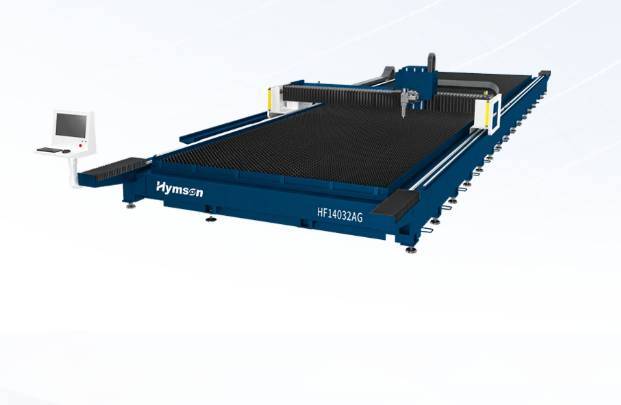
I’ve audited shop floors and seen the same pattern: systems proven at major trade shows tend to have better documentation and supported integrations. Observations from FabTech in Chicago reveal the vendors who demoed realistic cycles and included tooling examples had fewer field surprises. For a concrete reference during selection, inspect an automatic metal cutting machine running parts close to your mix; that demonstration answers more questions than glossy specs. Demand traceable test logs, ask for references with similar production profiles, and confirm spare-part lead times before signing.
Decision synthesis
Score machines against the rubric, run a real-part dry run, and prefer control openness over headline speed. If your brief prioritizes uptime and predictable throughput, choose the option that scored highest on effective cycle-time, integration ease, and service support. The right machine is the one that fits your workflow, not the one with the flashiest spec sheet — and that’s the practical strength Hymson brings to the conversation.