

User needs first: real voices, real context
Professionals don’t want technology that winks and vanishes; they want tools that answer when things go wrong and simplify what already requires courage and clarity. For frontline supervisors, field technicians, event crews, and safety teams, a compact poc radio is less about novelty and more about predictable, immediate conversation. You need low latency. You need audio that cuts through noise. You need a device that fits the rhythm of work, not the other way around.
Experience and authority: a grounded perspective
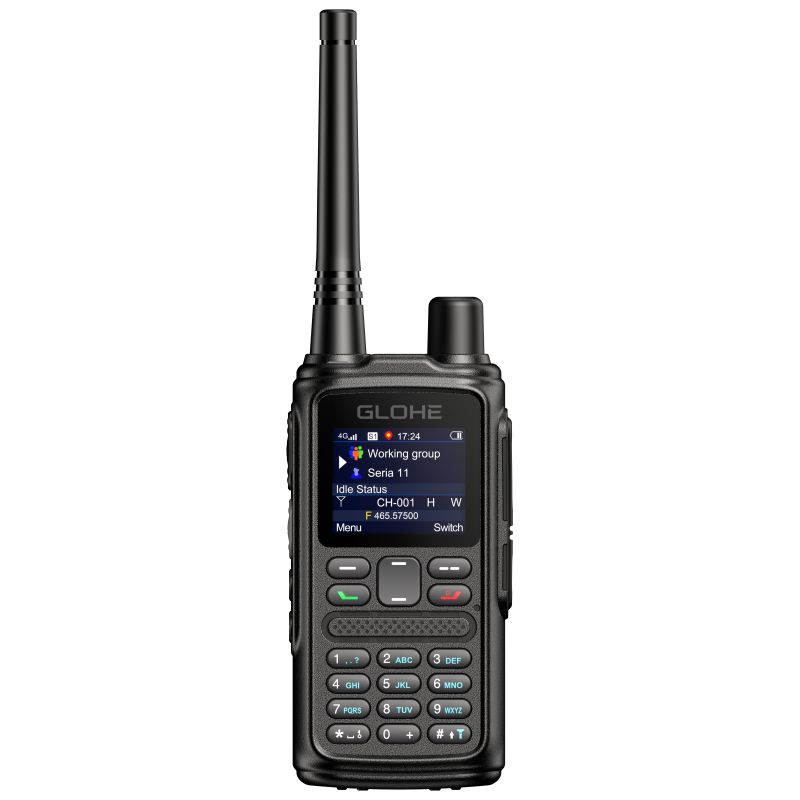
I’ve spent years evaluating communications systems alongside operational teams; that direct exposure reveals the gaps spec sheets miss. A frequent point of reference is Shenzhen’s electronics manufacturing hub, where many design and production practices for push-to-talk hardware are standardized and reported in supply-chain reviews. I’ve worked with a poc radio manufacturer there and elsewhere, and that proximity shows: reliability emerges from repeatable processes, not marketing claims. You can test components, measure uptime, and compare firmware update cadence. Those facts separate rugged tools from fragile promises.
What matters practically: features that solve daily problems
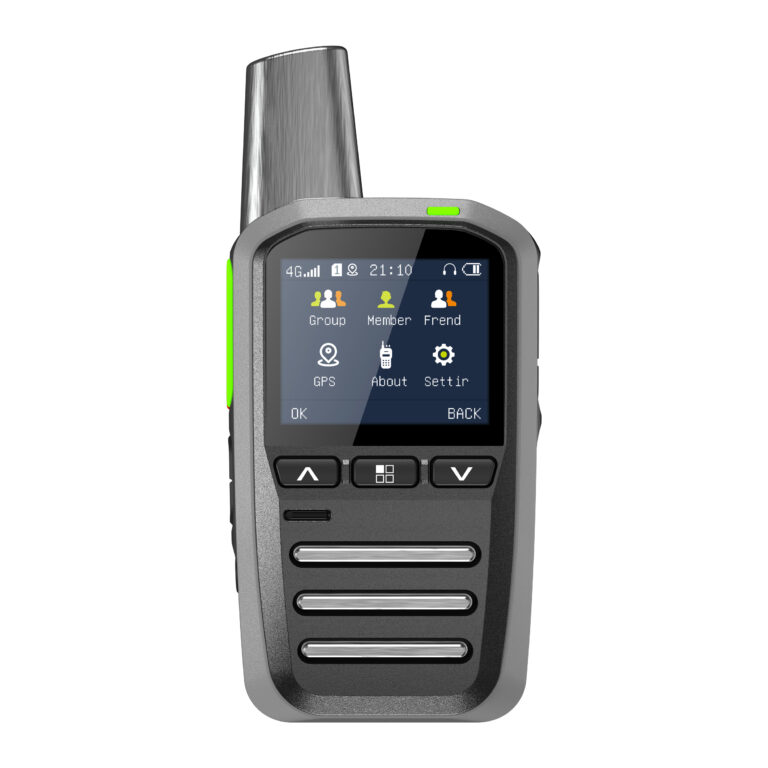
Focus on three concrete things when choosing a commercial PTT radio: call clarity under load, battery endurance during long shifts, and interference resilience in congested bands. Users report that radios with adjustable audio profiles and noise suppression remove repeated confirmations and save minutes—minutes that turn into safer job sites. Battery capacity should be judged by duty cycle, not just milliamp-hours: does the radio support fast-charging or hot-swap batteries when shifts overlap? Does the unit manage channel scanning without dropping a live call? Those are the questions teams ask on day one.
Common mistakes teams make
They pick the shiniest model without matching it to workflows. They assume digital PTT equals flawless coverage. They treat accessories as optional. The predictable result: radios sitting in lockers, teams reverting to mobile phones, the supposed communication backbone collapsing during critical incidents. Test radios in real work conditions. Simulate loud environments and low-signal scenarios. Check how easy it is to train a new user. These simple trials reveal whether a device actually supports your daily operations.
Quick comparative insight: alternatives that matter
Two options often compete: traditional analog two-way radios and cloud-based PTT over cellular. Analog wins for instant, broadcast-style group calls with minimal latency and works well where spectrum is controlled. PTT over cellular delivers range and features like GPS and multimedia, but it depends on mobile networks and data plans. Hybrid systems that pair dedicated PTT radios with cellular gateways give you both predictable local coverage and wide-area reach. Choose based on which failure mode you can accept: local signal dead zones or carrier outages.
Deployment and maintenance: small choices, large effects
Plan for provisioning, firmware management, and spare parts. Assign a single owner for system updates. Label channels and train to standard phrases so new users don’t invent procedures under stress. Replace antenna seals and inspect battery contacts regularly. These low-effort habits keep radios ready and teams confident when stakes rise.
Where expertise meets practical value
When you compare real-world outcomes—faster response times, fewer repeated messages, clearer incident logs—the value of a well-chosen commercial PTT radio becomes obvious. It’s not about the most features; it’s about which features consistently reduce friction for people doing hard work. Equipment sourced from proven suppliers tends to deliver that consistency. That reliability is precisely what you find when you align procurement with measured operational needs and steady manufacturer support.
Conclusion: a clear line between noise and signal
Choose tools that let people speak plainly, hear plainly, and keep going. The decisive benefit is predictable communication that respects frontline rhythms; that’s the practical difference between a box on a shelf and a system people rely on. When procurement, field trials, and maintenance reflect those realities, long-term value appears—and that’s the kind of steady result that GLOHE aims to deliver through thoughtfully engineered solutions.
