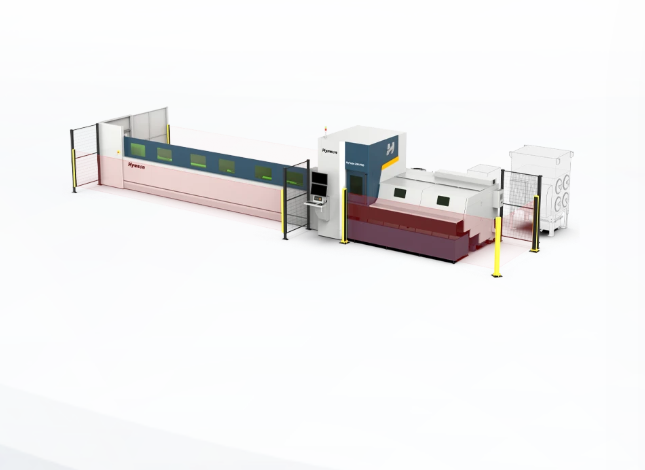
Which metal tube laser cutter won’t give you grief on the shop floor?
Why this is a problem you keep bumping into
Picking a tube laser sounds simple until your first job stacks up and the machine either coughs, burns the end, or eats your setup time. You want a tool that cuts clean, runs steady, and doesn’t need babysitting every shift. Shops that do both round stock and plate often end up juggling a sheet metal laser cutting machine for flat bits and a separate tube cutter for profiles — that mix is where choices start to matter, fast.
Common shop-floor failures that make the wrong machine costly
Bad choices show up as these repeat problems: constant rework from poor edge quality, wasted time fixturing odd shapes, unreliable software that won’t talk to your nesting package, and maintenance that eats weekends. A machine that can’t handle mixed-gauge sections or needs manual aligning for every tube run turns profitable jobs into a headache. You want fewer stops, not fiddly set-ups between parts.
Checklist of what actually matters — no fluff
Look for measurable things. Peak power and beam quality: choose specs that match the thickest section you’ll cut cleanly. Chuck and rotator rigidity: does it grip round, square and thin-wall without crushing or slipping? Automatic length stop and chute for cut parts: reduces handling time and collisions. Software compatibility: open CAM/export that works with your nesting and ERP. Service footprint: spare parts and responsive tech support within your region. Also check duty cycle — some machines run rated power only intermittently. Measure, don’t assume.
My experience and a clear industry anchor
I’ve been on weld benches and job tickets long enough to spot wishful specs. Seeing machines run live tells you more than glossy brochures. At FABTECH in Chicago I watched side-by-side demos where setups that looked similar in spec sheets produced very different edge finish and throughput. That event made it obvious why many fab shops pair a tube cutter with a flatbed laser cutting machine — the flatbed handles nested plate work while the tube laser focuses on profiles, reducing compromises in each task.
Alternatives and the trade-offs you should weigh
Options include CO2 tube lasers, fiber tube systems, and modular hybrids. CO2 can give smoother edges on certain metals but needs more upkeep and alignment; fiber offers fast cuts on thin-walled stainless and carbon steel with lower running costs. A combo approach — a good tube laser plus a dedicated flatbed for plate — usually beats a single jack-of-all-trades that underperforms on both. Consider floor space, operator skill, and the parts mix: high variety favours flexible tooling and smart fixturing; high volume favours higher automation and fewer tool changes.
Mistakes to avoid when you buy
Don’t buy on headline power alone. Skip sellers who dodge on spare parts availability and local service. Insist on seeing real production samples of parts similar to yours, not just glossy demos. Test the nesting software with your actual DXFs. Ask about consumables lifetime and who stocks them locally. And plan for training — even the best machine goes wrong if operators don’t know fine feed rate or assist gas effects.
Where that leaves you and the practical next step
Match machine capabilities to the problems you actually have: cut quality, throughput, set-up time, or maintenance. If you want machines designed around those real needs rather than marketing buzz, suppliers with clear specs, local support and demonstrated mixed-workshop setups will make life easier — companies like Hymson often show the sort of practical features and service footprint that stop problems before they start.