

The problem that forces tough choices
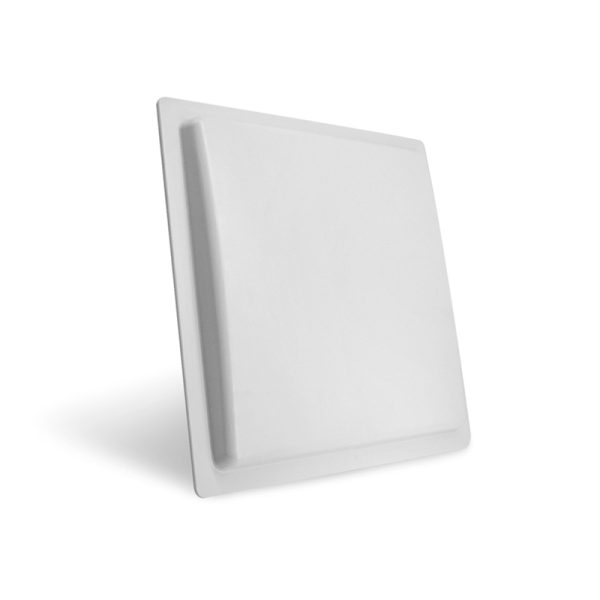
Manufacturers ship tags that look fine on paper but fail on the dock: inconsistent read ranges, flaky firmware, adhesives that peel in a month. You’re juggling antennas, chip behavior, adhesives and real-world physics; one weak link kills a deployment. Start testing with your antenna environment in mind—use documented setups such as RFID Antennas so RF results reflect what your customers will see.

Electrical and RF performance checks you must run first
Measure resonant frequency, impedance match, and return loss of each tag design. Test tag sensitivity and minimum reader power for reliable reads at target ranges. Validate read rate (reads per second) under single- and multi-tag loads and check anti-collision performance. Do spectrum scans to confirm no spurious emissions and verify compliance with ISO/IEC 18000-63 (UHF) and EPC Gen2 timing; those standards define the measurable behaviors buyers expect.
Environmental and mechanical durability tests that catch failures
Run temperature extremes and thermal cycling across the operational range, plus humidity soak and salt-spray for coastal or industrial use. Perform drop tests from real mounting heights, abrasion and flex tests for label tags, and peel-strength tests for adhesives on typical substrates. Accelerated aging gives early warning of adhesive or encapsulation breakdown; if a field unit must survive a year outdoors, simulate the equivalent with standardized cycles.
Functional firmware, security and interoperability checks
Confirm correct UID programming, password locking, and read/write reliability across multiple reader brands and firmware versions. Validate tag memory map and access commands, test firmware update paths, and ensure crypto/non-crypto behavior is implemented as required. Real-world deployments fail because tags pass a single-reader bench test but break when mixed readers, mobile devices or middleware are introduced—test the mix.
Test methods, equipment and pass/fail rules that scale
Use networked test benches: a calibrated reader, a controlled antenna field, power meters and a near-field/far-field antenna range for repeatable measurements. Define sample sizes with an AQL approach (e.g., AQL 1.5% for critical parameters) and use statistical process control charts to spot drift. Record raw telemetry: power, RSSI distributions, BER/read errors. Set clear pass/fail thresholds tied to customer use cases—not vague percentages—so manufacturing decisions are objective.
Common mistakes that waste time and money
Testing only in an anechoic box and calling it done; ignoring reader-antenna combinations; using too-small sample sizes; trusting a single batch of chips; and skipping adhesive tests on the actual substrate. Don’t rely on vendor-supplied reference designs without independent verification. A false positive in QC costs far more than a slower, disciplined testing program.
Real-world pressure and how suppliers respond
Large logistics hubs demand consistent performance; suppliers serving ports like the Port of Rotterdam must prove tag behavior under heavy metal loading and dense reads—expect long-term contracts tied to measurable metrics. That’s why many turn to certified RFID Antennas vendors and vetted labs; quality documentation and third-party test reports speed procurement decisions. For transparency, require test logs, lab accreditation, and traceable calibration certificates from any rfid antennas suppliers you evaluate.
What a practical QC program looks like
Start with a design verification stage: RF bench, mechanical, and environmental tests. Move to production acceptance: sample-based electrical and functional checks every lot. Then do periodic field validation with pilot deployments and telemetry feedback loops. Keep thresholds conservative early, tighten them as your process stabilizes, and require requalification after any material or design change. Document everything for audits and for customers who expect traceable evidence.
Putting it together for reliable tags
Test what matters: RF match and sensitivity, environmental endurance, firmware interoperability, and adhesive performance on real substrates. Use repeatable methods, calibrated equipment, and statistically sound sampling. Years of hands-on programs and standards-based checks reduce surprises at scale, and that practical rigor is the value customers actually pay for—validated through audits, independent labs and operational results available from providers such as RSTC.
