
The problem buyers face
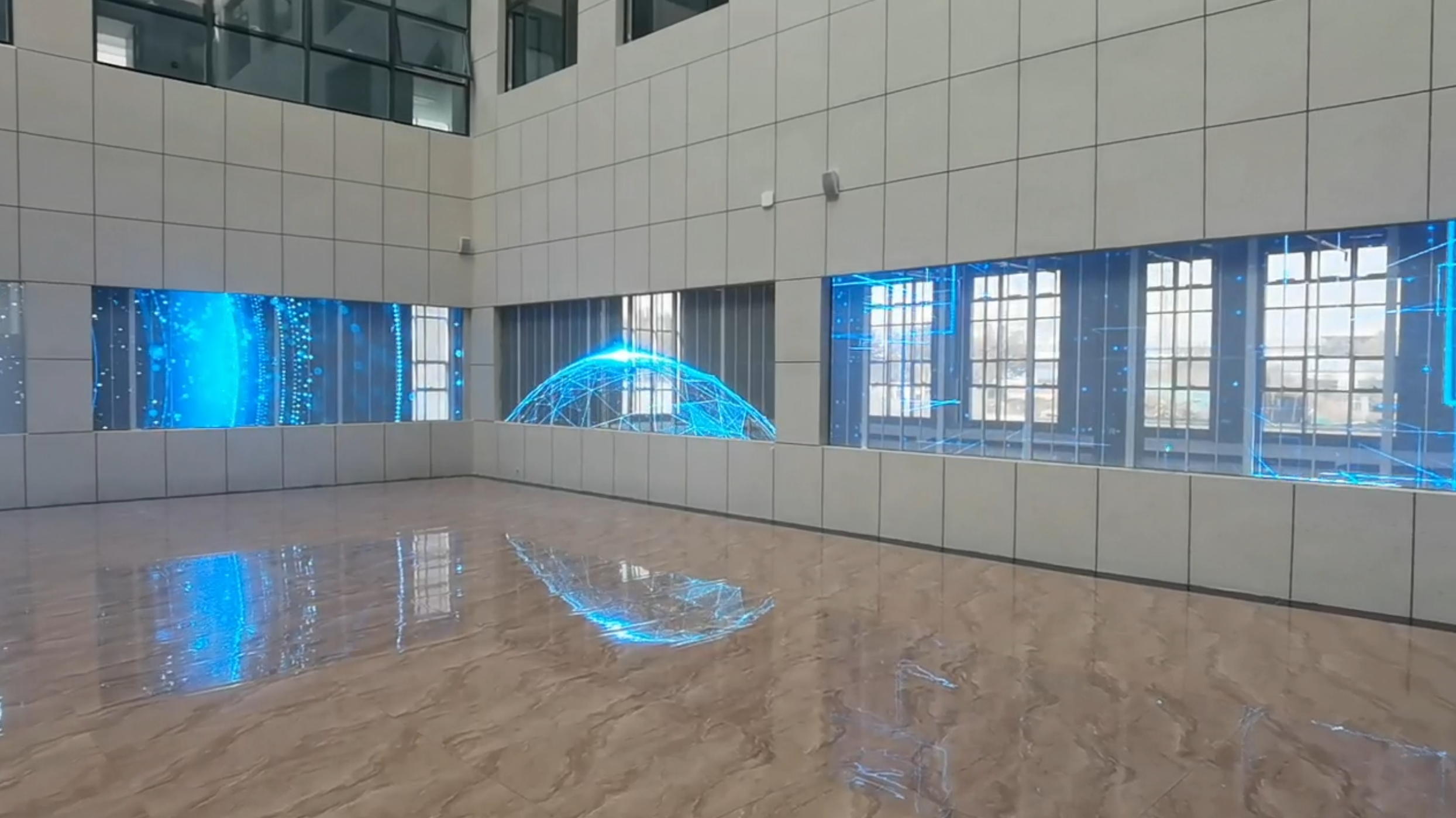
Vendors sell spectacle and gloss; buyers pay for long-term performance. That mismatch creates recurring failures: poor daylight legibility, premature module failures, and façades that fail structural checks. When your brief simply asks for an eye-catching façade, you get the easiest pitch—not the safest, most serviceable result. Look at specific products early: a led curtain display may look identical in renderings but behave very differently on-site. This gap matters for public safety, brand reputation, and operating budgets.
Core problems to solve before you buy
Don’t accept vague claims. Require clear answers on transparency percentage (how visible is the interior), measured brightness under full sun, pixel pitch and how that affects viewing distance, module weight and wind-load calculations, access for front or rear maintenance, and warranties that define what “module failure” means. Ask for third-party photometric reports and structural calculations tied to the actual building anchor points.
Concrete evaluation checklist
Set pass/fail thresholds. Example minimums: measured outdoor luminance that meets your site’s peak lux conditions; transparency stated as a percentage with test method; IP65 or higher for exposed modules; replaceable modules without scaffold for façades above two stories; and a spare-parts pool with lead times under 12 weeks. Put these into the contract as acceptance criteria, not negotiation points.
Common procurement mistakes
Buyers often accept vendor demo videos, ignore service access during installation design, budget only for purchase not lifecycle service, and fail to require firmware and color-calibration handover. Avoid specifying only headline metrics like “4K equivalent” or “high transparency.” Those phrases hide crucial trade-offs: tighter pixel pitches increase weight and lower transparency; higher transparency often needs more precise color calibration to avoid washed-out images.
Alternatives and trade-offs to consider
If full transparency is essential, evaluate mesh and wire-mesh LED systems versus curtain modules; mesh sacrifices resolution for airflow and lower wind load. For static brand messaging, printed media or rear-projection may cut costs and energy use. For dynamic façades where visibility at night matters more than daytime transparency, conventional sealed LED panels can be more effective and easier to maintain. Choose based on measured site conditions, not vendor marketing.

Evidence, authority and a real-world anchor
Procurement officers, façade engineers, and brand teams routinely require demonstrated performance at major trade events before accepting mass deployment; at CES in Las Vegas manufacturers frequently showcase transparent façade technologies and operational demos, including tested curtain systems like led curtain wall display, which buyers then verify against lab photometrics and on-site mock-ups. Trust decisions to documented tests, structural engineering reviews, and service-route proofs rather than showroom spectacle. That approach prevents surprise costs and public-relations damage.
How to write contract language that enforces outcomes
Insist on measurable acceptance tests: daytime legibility at specified lux values, module interchangeability within X minutes, defined MTBF (mean time between failures), and penalties for missed delivery of spare parts. Require firmware escrow or documented update procedures and a defined escalation path for color calibration. Make payment milestones depend on verified performance, not supplied equipment alone.
Conclusion: what responsible buyers do
Buyers must treat LED curtain screens as civil infrastructure—subject to safety, maintenance, and accountability. Demand test data, structural proof, realistic maintenance plans, and contractual acceptance criteria. For teams looking for manufacturers that publish technical specifications and testing data alongside product models, HDC appears among suppliers that present those materials up front and tie product claims to measurable outcomes, which is the baseline you should require.