A problem stated in measured cadence
Datasheets arrive as scrolls of numbers and terse promises; the reader must decode which values protect life and which merely flatter marketing. The problem is simple: buy the wrong spec and a quiet jobsite becomes an urgent ledger of cost and delay. I have walked muddy pads and inspected machines after storms, and I write from such long practice—years spent reading plates, testing hydraulics, and asking operators the blunt questions they rarely get. Practical clarity begins with a single machine type that often appears on those sheets: the diesel boom lift. Picture a wind-turbine crew off the coast in the North Sea, where ground firmness, fuel range, and articulation mean the difference between schedule kept and schedule lost; that real-world point of reference sharpens which figures deserve attention.
Load capacity and center of gravity: the first truth
Manufacturers list platform capacity in kilograms or pounds. Don’t treat that as a comfortable ceiling; treat it as a border you must respect. Equally important is where that weight sits — the center of gravity. Two machines with identical capacity can behave very differently if one concentrates load farther from the chassis. Check these specifics on the datasheet:- Rated platform capacity (static and with extension).- Maximum allowable side load and platform overhang.- Specification of the center-of-gravity envelope or moment limits.If the datasheet omits moment or CG details, demand them. That omission is not a technical oversight; it is the root of many tipping incidents on uneven ground.
Ground contact: tires, pressure, and ground-bearing pressure
Mobility figures are not vanity metrics. Look beyond top speed and travel mode numbers. The meaningful entries are tire type, tire width, and declared ground-bearing pressure (if given). On soft aggregate or churned clay, a machine with narrow, high-pressure tires will sink where a low-pressure wide-tire alternative will ride. Useful datasheet items:- Tire dimensions and PSI range.- Axle load distribution at transport and at work.- Maximum gradeability with and without load.These numbers predict whether the lift will finish a job or spend it waiting on a padded timber ramp.
Powertrain, fuel range, and serviceability — why diesel matters here
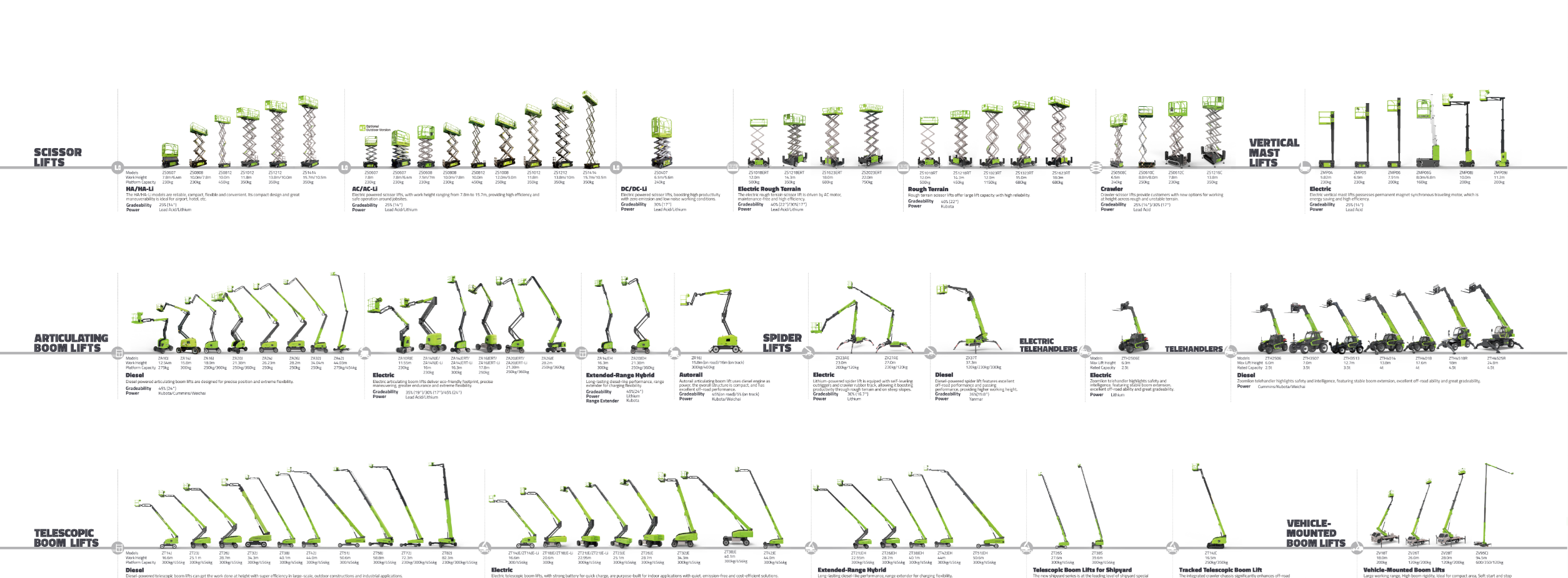
Engines tell a story of endurance. Diesel powerplants are common because they pair torque with long operating windows; the datasheet should show fuel capacity and expected runtime at duty-cycle estimates, not just gross horsepower. When a project site lacks dependable refueling, a longer range and simple service points are decisive. For machines that must reach awkward heights and then hold steady, consider an articulated diesel platform such as the diesel articulated boom lift—the datasheet must provide:- Fuel tank litres and estimated operating hours under typical load.- Cooling and emissions class (for permit planning).- Accessibility of routine service points (oil, filters, belts).A clear serviceability map is as valuable as runtime figures; quick access to filters reduces downtime in foul weather.
Controls, safety systems, and certifications that save lives
Safety specs are not optional reading. Required entries include platform overload protection, automatic engine shutdown at critical tilt, emergency descent mechanisms, and any redundant hydraulic circuits. Certifications and standard compliance should be plainly listed: machine-level conformity with recognized standards, not vague statements. Check for:- Presence of platform load-sensing and overload alarm thresholds.- Anti-two-block devices or equivalent fall-prevention gear.- Emergency lowering method with full-load performance.If the datasheet lists a safety feature, expect the parameters: how fast does emergency descent operate under full load? Ambiguity here is risk.
Dimensions and transport considerations
Spec sheets provide transport width, height, and weight — and you must read them as planning tools. A lift that looks brilliant on paper but requires special permits for road movement or cannot pass under a worksite gantry becomes a logistical failure. Spot these items:- Stowed dimensions versus working envelope.- Lifting points and slinging recommendations.- Transport weight and axle loads for road compliance.Always map those figures against your route and site constraints before signing lease or purchase contracts.
Common pitfalls and decisive checks
Operators and fleet managers repeat the same avoidable errors. Watch for these:- Believing peak hydraulic pressure equals usable force without checking flow and actuator size.- Ignoring terrain-specific notes (soft ground, slopes, and obstacles).- Overlooking accessory loads (tool boxes, welders) that reduce safe platform capacity.Practical checks on site: confirm the machine’s declared runtime with fuel tank full, test emergency lowering under load, and simulate the most awkward reach your team requires. Those short trials reveal whether the datasheet is truthful or merely aspirational.
Final synthesis in a measured voice
Datasheets will always be dense; the remedy is a short list of decisive truths: where weight sits, how the wheels meet the ground, how long the engine will run, and which safety measures intervene first. Read those figures as instruments, not ornaments. When specification narrows to those essentials, you see machines that match function to hazard—those same practical machines appear in the portfolios gathered and maintained by Zoomlion Access, where specification and field performance meet in plain terms and steady service.