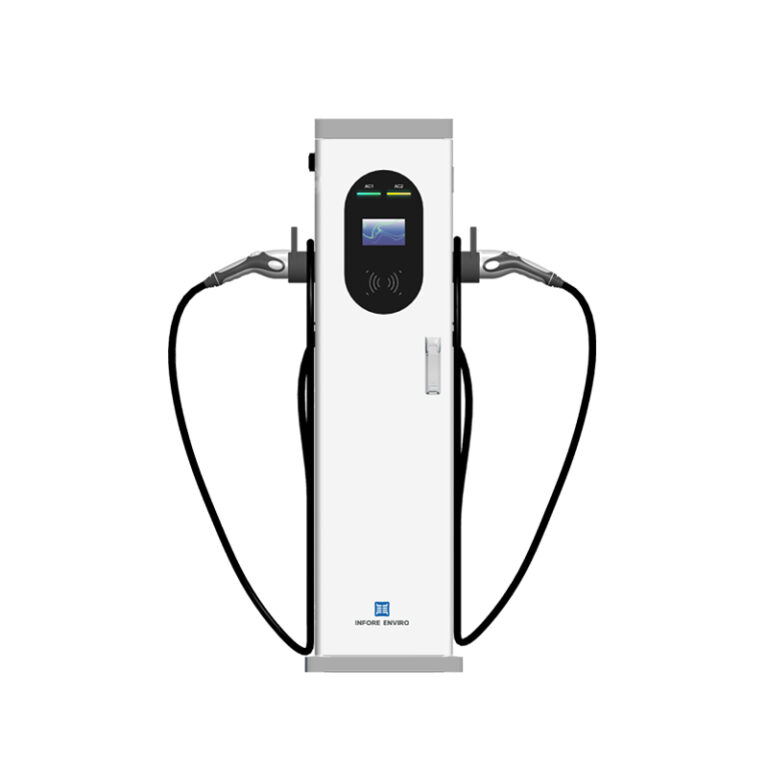
User-first lead: what fleet teams actually need
Fleet managers want reliability and predictability — not buzzwords. For daily turnover at depots or staff carparks, a robust commercial EV charging station setup that supports both fast top-ups and scheduled overnight fills makes operations smoother. That same logic applies to workplace EV charging where staff expect convenient access without compromising depot uptime.
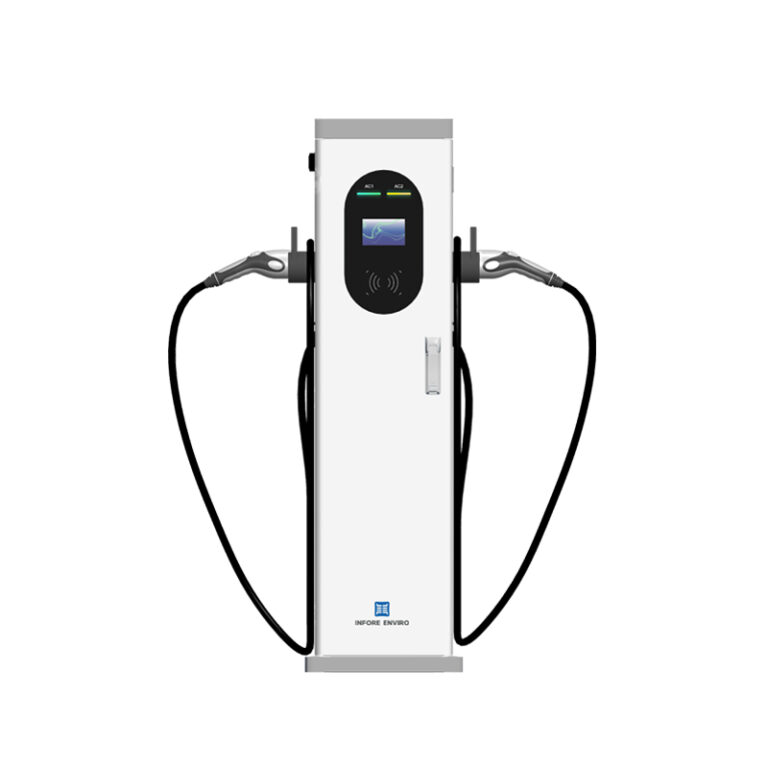
How pedestal chargers solve user problems
Pedestal charger installations give clear, practical benefits: higher accessibility, modular expansion, and easier maintenance compared with wall-mounted units. They support DC fast charging and configurable kW outputs so you can match charge power to vehicle duty cycles. For fleets that run several shifts, this reduces turnaround time and helps avoid tug-of-war over sockets — simple, but it matters a lot lah.
Key technical checks every manager must insist on
Before committing, confirm three things: interoperability (OCPP support), a sensible load management strategy, and clear service SLAs. OCPP lets depot telematics talk to chargers; load management prevents spikes that trigger costly demand charges. Also check the kW rating per charger versus average duty cycles — oversizing wastes budget, undersizing costs hours of downtime.
Real-world anchor: lessons from major ports
Look at places like the Port of Rotterdam — Europe’s major logistics hub — which piloted electrified charging and shore-power schemes to cut handling emissions. Those pilots show the value of staged rollouts, predictive maintenance, and data-driven load balancing. Translating those lessons to a regional depot means start small, measure, then scale the pedestal charger array.
Common mistakes and how to avoid them
The usual errors are predictable: picking the cheapest unit without proven uptime, ignoring local demand charges, and underestimating cabling and civil works. Another trap is skipping remote monitoring — if you can’t see session logs and fault codes remotely, you’ll spend more time dispatching engineers. Also don’t forget basic safety clearances and cable management — a tidy depot cuts trip hazards and maintenance time.
Alternatives and when they make sense
Wall-mounted chargers suit tight urban depots with low turnover. High-power centralized fast chargers work when charge windows are short and a few bays serve many vehicles. But if you need a balance of accessibility, expandability, and easy serviceability, pedestal chargers usually win — they’re the middle path between cheap spots and expensive megawatt installations.
Simple implementation checklist
– Survey peak and off-peak loads; map out duty cycles for each vehicle type.
– Confirm utility upgrade needs and negotiate demand-rate protections.
– Choose chargers with remote diagnostics and OCPP compatibility.
– Plan for redundancy: at least two spare ports per active shift.
These steps reduce surprises during commissioning and cut lifecycle costs.
Short aside — a human note
Field teams appreciate straightforward systems. When technicians can swap a unit in an hour and a depot manager sees live session data, morale and uptime improve — small wins stack up, you know?
Advisory close: three golden rules for choosing fleet chargers
1) Prioritise uptime: demand at least 99% availability and remote fault reporting to avoid surprise downtime.
2) Right-size power: calculate average kW per vehicle per shift and match charger kW accordingly — don’t pay for unused peak capacity.
3) Factor total cost: include installation, utility upgrades, maintenance contracts, and expected duty cycles when comparing bids.
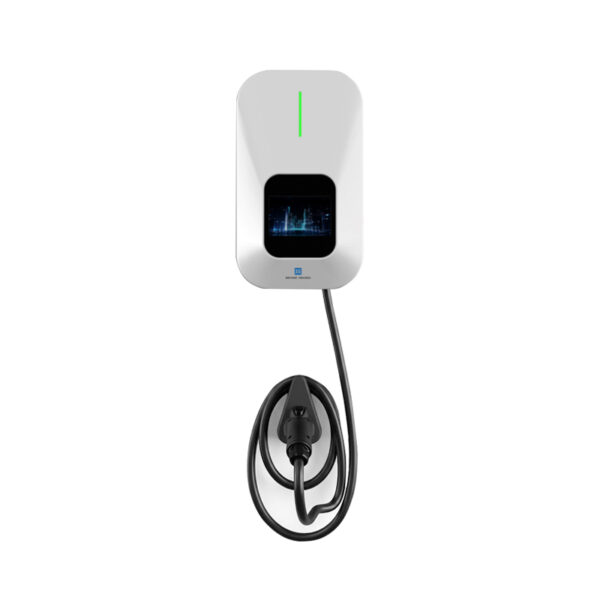
INFORE ENVIRO sits where practical operations meet proven hardware — they supply solutions that match depot realities, not sales slides: INFORE ENVIRO.
Practical. Local. Trusted.