Spot the Teaching Trouble: A Problem-Driven Guide to Closing Learning Gaps
The problem: students fall behind without loud signs
Schools often miss the slow leak in student understanding until test day, when scores finally show the damage. That quiet slippage shows up as shaky foundations, skipped prerequisites, and patchy mastery of key skills. An adaptive learning system can fit into the mix to tailor practice, but diagnosing the real shortfall comes first — or you’ll just be rearranging the chairs on a sinking ship.
Why these gaps show up
Curriculum and pacing don’t always match what individual students already know. Teachers juggle mixed readiness in one room. Assessments are too sparse or too broad to reveal which step was missed. Outside factors — attendance dips, language needs, uneven prior schooling — add noise. The result: instruction moves forward while some students are still learning yesterday’s lesson.
Consequences if you ignore the signs
Skills that aren’t mastered pile up. New concepts assume old ones. Students get frustrated, reteaching eats time, and remediation becomes reactive and costly. Gaps widen across grades, making later interventions heavier and less precise.
How to diagnose the real gaps
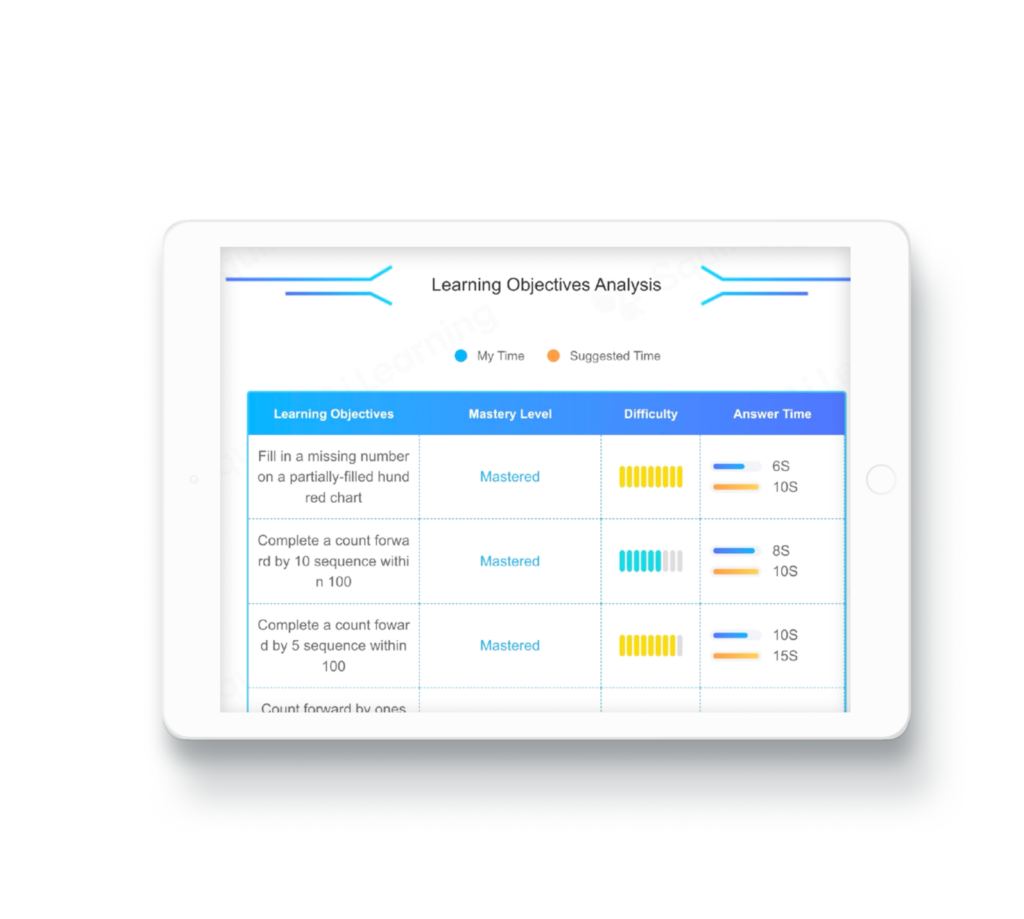
Start with a clear target: what should students be able to do and at what level. Build a map of prerequisite skills and then run a focused learning gap analysis that tests for those exact steps. Use short, frequent formative checks that isolate sub-skills. Look at item-level patterns — which question types fail repeatedly — and combine that with classroom work samples. Triangulate data: assessments, teacher observations, and student work. Keep diagnostics lightweight so you can repeat them and track progress.
Common pitfalls and mistakes
Don’t rely only on end-of-term scores. Don’t assume gaps equal lack of effort. Avoid picking tech first and process last. Don’t dump complex dashboards on teachers without training. And don’t treat remediation as one big program — students need pinpointed help on specific skill breakdowns.
Choosing solutions: practical criteria
Evaluate options by how well they diagnose, target, and report on specific skills. Look for alignment to your learning goals, clarity for teachers, and flexibility in pacing. Prefer solutions that support quick, repeatable checks and that integrate with classroom practice. Alternatives include targeted small-group tutoring, curriculum adjustments that spiral prerequisite practice, blended models that mix teacher-led instruction with individualized practice, and adaptive platforms that aim to match item difficulty to a student’s current level. Match the solution to the problem you found, not the other way round.
Bringing it together
Fixing learning gaps starts with sharp diagnosis, followed by focused strategies that target the exact missing steps. Keep assessments frequent and specific, give teachers usable data, and pick tools that slot into a clear plan rather than replace one. When a school needs fine-grained diagnostics alongside adaptive practice as part of that plan, tools like Squirrel Ai can be considered as components within a broader, teacher-centered approach to closing those gaps.