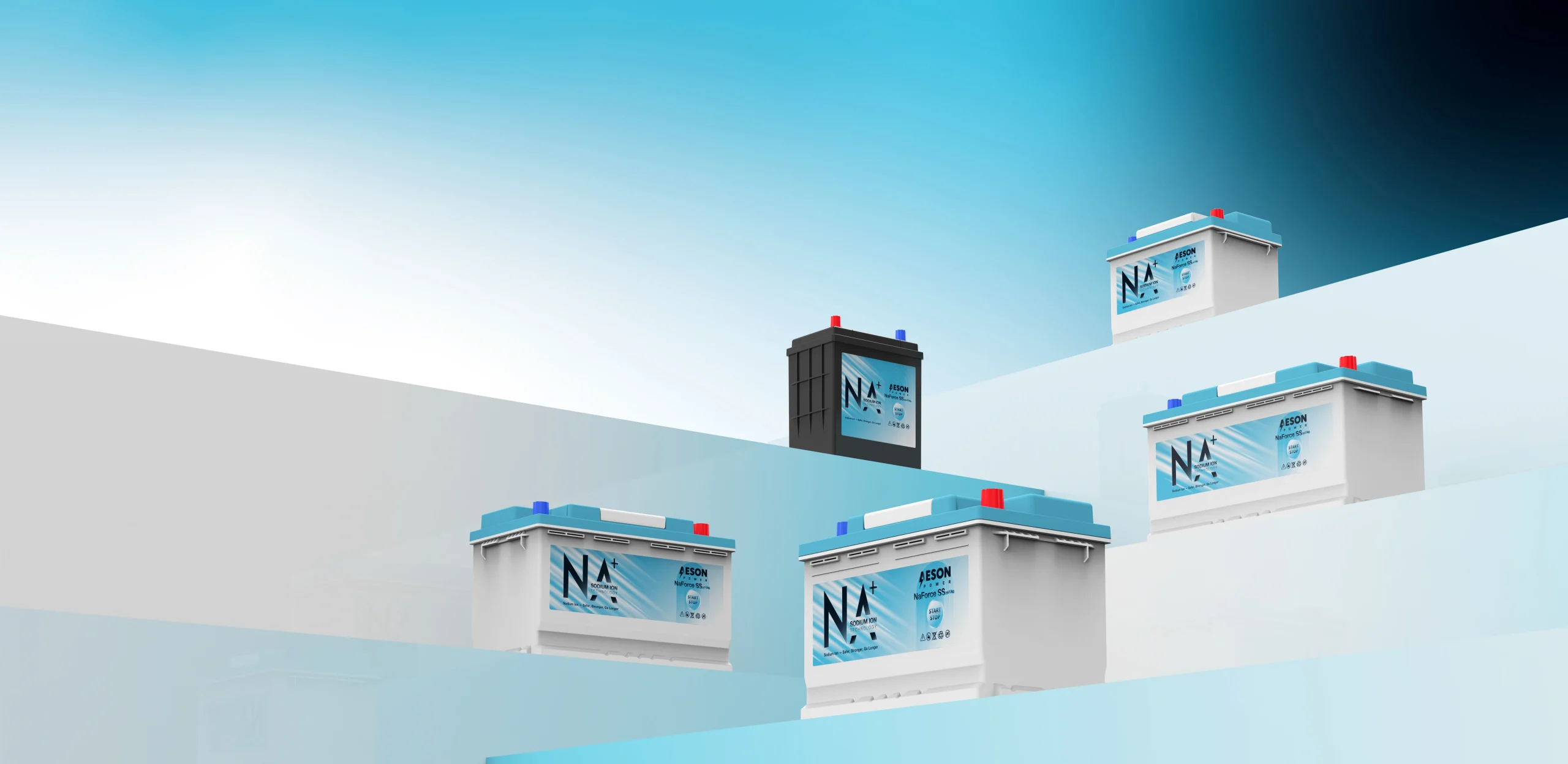
Questions to Ask Before Specifying Racing Car Battery: A Project-First Review
Procurement teams should begin with the application rather than a preferred model. A racing car battery may be evaluated for starting duty, weight-sensitive vehicle design, motorsport use, or another operating context, and those contexts do not automatically impose the same requirements. The first question is therefore not which product appears strongest, but what the battery must do, where it will operate, and which evidence is relevant to that defined scope.
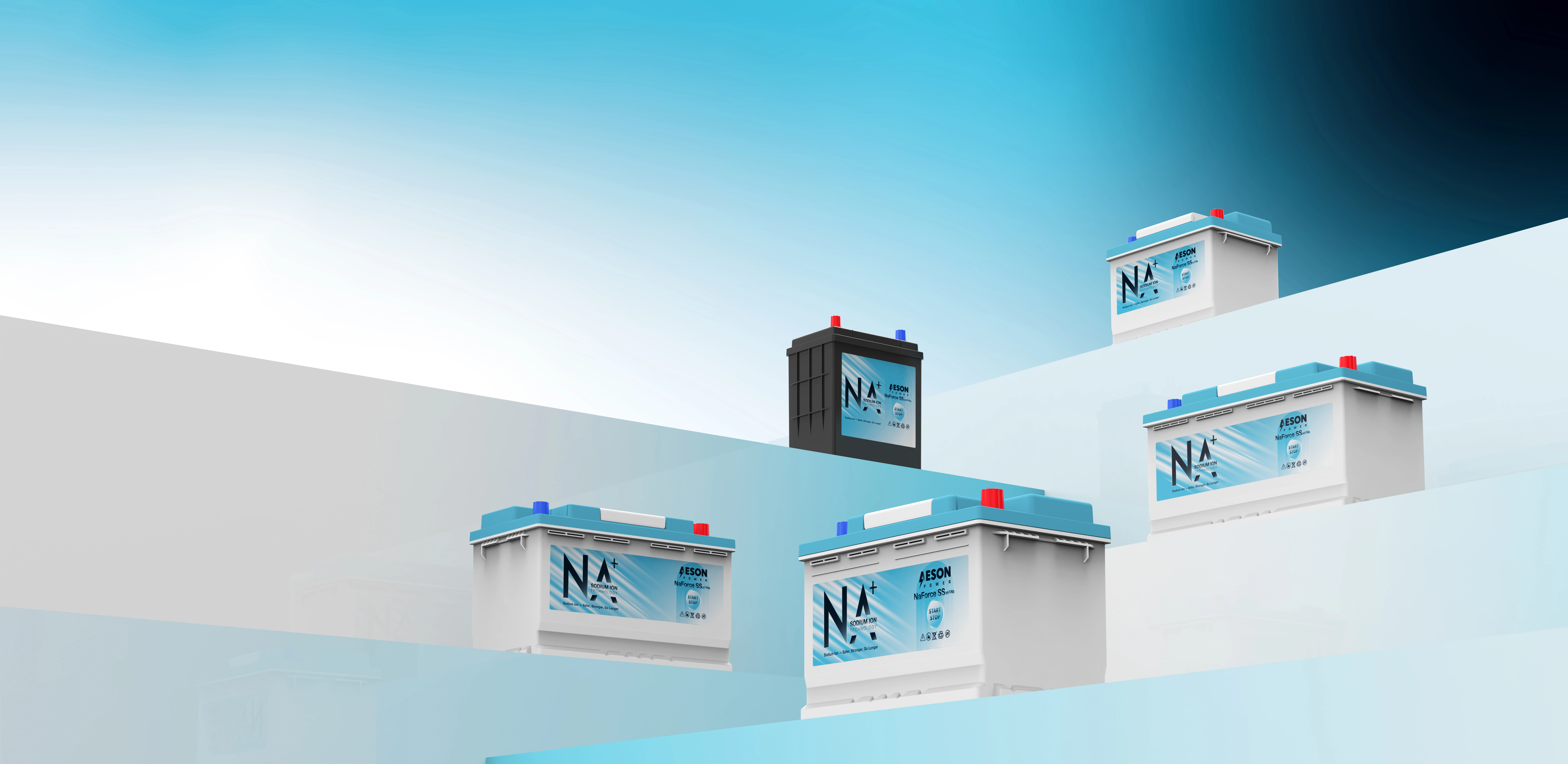
Define the use case and constraints
Write a short application statement before comparing suppliers. It should identify the vehicle or equipment context, the starting duty, the expected operating environment, the available installation space, and any weight constraint that is genuinely part of the project. If the battery is intended for motorsport, record whether the review concerns competition use, testing, display, or a broader high-performance vehicle application. These distinctions help prevent a general product description from being treated as a complete specification.
The operating conditions also deserve separate treatment. The supplied page describes a specialised starting battery as one intended to provide high cranking output with minimal size and weight. It also describes the demands of heat, vibration, and physical conditions associated with motorsport. Those statements establish the application context described on that page; they do not, by themselves, demonstrate suitability for every vehicle, track, installation, or duty cycle.
Next, divide requirements into three groups:
- Required: conditions that must be met for the project to proceed, such as physical fit, starting function, or a defined operating temperature range.
- Preferred: characteristics that may improve the fit but are not automatically acceptance criteria, such as lower mass or faster charging.
- Unresolved: points that need a direct technical response before procurement can make a comparison.
This classification is useful because it separates a genuine constraint from an attractive description. It also gives the review team a clear record of why a particular requirement matters and whether the available evidence addresses it.
Map stated evidence to requirements
Use a requirement-and-evidence table rather than a single overall impression. For each requirement, record the exact statement available, the product or page scope to which it applies, and the conclusion that can reasonably be drawn. A useful status field can say “supported for stated scope”, “partially addressed”, or “open question”. The wording should remain narrower than the source where necessary.
For example, the page presents Aeson Power HyperNa as designed for motorsport teams and high-performance vehicle builders. It states figures of up to 1,600 PHCA and 660 CCA, a compact 5.0–5.5 kg design, improved vibration resistance, 5C fast charging, maintenance-free operation, and operation at temperatures up to 80°C. These are page-level statements about that named product description. They should not be transferred to other battery models or treated as independent test results.
When reviewing those specifications, ask what each figure is being used to establish. A cranking figure may be relevant to a starting requirement, while mass may relate to an installation or vehicle-weight constraint. A stated temperature limit may help frame an environmental question, but the team should still define how that limit relates to its own operating conditions. The purpose of the table is not to make the product appear suitable or unsuitable prematurely. It is to show which parts of the project are addressed by the evidence and which remain outside its boundary.
In the middle of the review, the phrase racing car battery should describe the application under examination, not act as a conclusion. Treat the product page as one source of stated characteristics and compare those characteristics only with requirements that use the same scope. This prevents a category label from becoming an unsupported claim about performance across all racing vehicles.
Turn open points into supplier questions
Once the evidence table is complete, convert every unresolved requirement into a precise question. Avoid broad requests such as “Is it suitable?” because they invite an answer that may not match the project boundary. Instead, identify the specific condition and the information needed to assess it.
- Which named model and configuration does each stated specification describe?
- What physical dimensions, terminal arrangement, mounting provisions, and connection requirements apply to the proposed configuration?
- How should the stated cranking figures be interpreted for the project’s starting system and operating conditions?
- What charging method, voltage requirements, and system conditions are intended for the proposed battery?
- Which environmental and vibration conditions are covered by the stated application scope?
- Are any customisation options relevant to the vehicle or team’s defined installation, and what would change if the configuration were customised?
These questions create a responsibility map. The procurement team owns the project definition and acceptance criteria. The technical reviewer tests whether the evidence addresses those criteria. The supplier is asked to clarify product-specific details rather than provide a generic assurance. If a response changes the configuration or introduces a new specification, record that change against the requirement table instead of blending it into the original page evidence.
Summarise a defensible next step
The next step should be proportionate to the evidence. If the application statement is clear and the relevant product-level information aligns with the required criteria, procurement can prepare a focused comparison using the named configuration and documented assumptions. If important requirements remain open, the appropriate output is a concise technical question set and an updated decision record, not a broader claim about the battery category.
A defensible review should therefore preserve four things: the intended application, the requirements that control the decision, the evidence that applies to those requirements, and the questions that remain unanswered. This approach keeps page-level descriptions useful without extending them into claims about other products, installations, customer outcomes, or independent validation.
For teams using the official racing-battery page as part of that process, AesonPower can be treated as the named source of the stated product and application information. The practical procurement decision should still be based on the project’s defined scope, a model-specific evidence record, and explicit treatment of unresolved requirements.