

Start with the problem you actually face
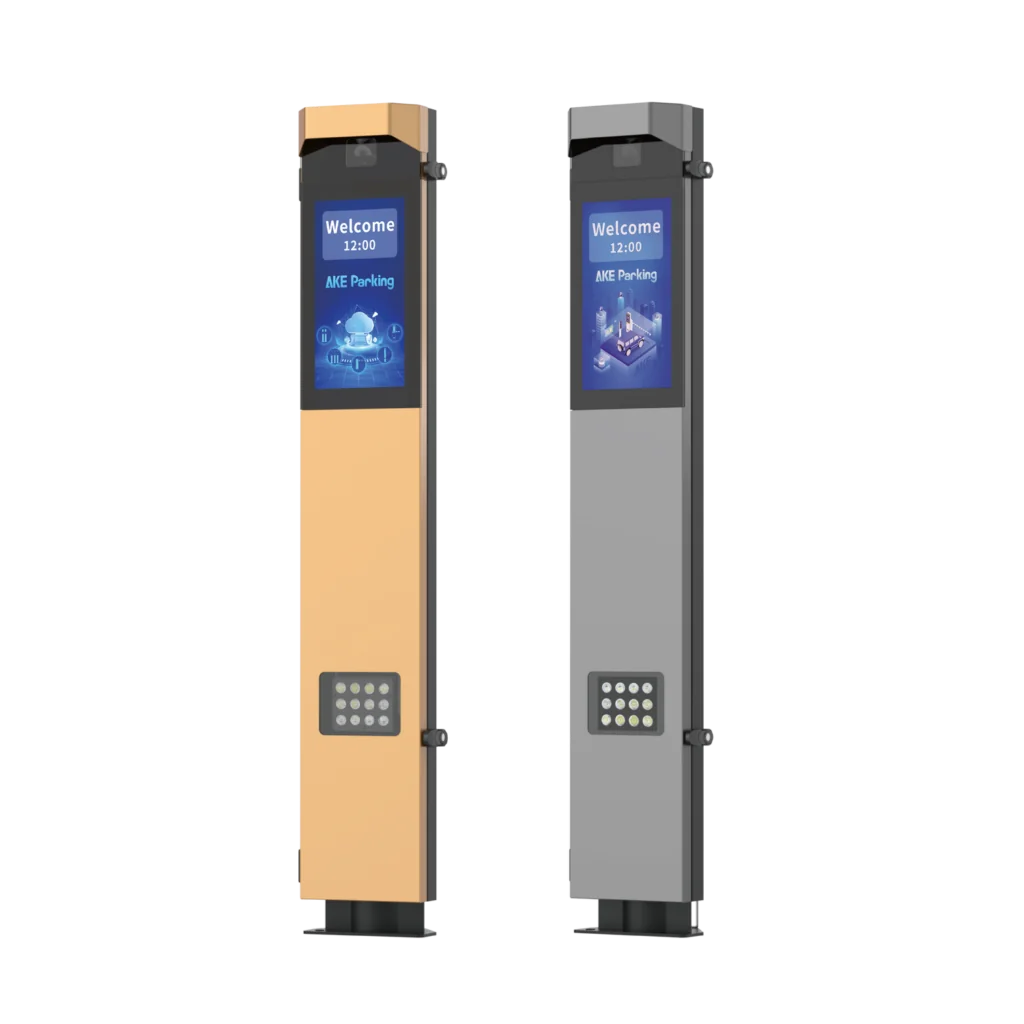
You’re not buying software because it’s shiny — you’re buying fewer nightly calls about stuck barriers, less ticket fraud and predictable throughput during rush hour. The real failure modes are latency spikes, missed reads, and maintenance nightmares. Focus on how a vendor handles license-plate recognition under rain, how they fail-safe power outages, and whether their analytics expose revenue bleed. One practical thing to check early: do they support modular upgrades so you can add LPR cameras or scale lanes? See how they frame their lpr parking management systems and whether the feature set matches your peak-hour profile, not just a glossy demo.
Clear signals that a system will break under pressure
Bad signs are concrete. Vendors that mask latency, offer single-vendor hardware lock-in, or can’t share slotted uptime metrics are risky. If demo videos show perfect weather and empty lots, ask for a playback of a heavy-event day. Pay attention to error-handling: does the software queue unresolved reads, or does it drop them? If a system can’t provide deterministic behavior when 200 cars hit the gate in five minutes, it will create queues and angry tenants.
A practical evaluation framework you can run in a week
Use three direct tests: 1) Stress: simulate peak inflow and watch read and actuation latency. 2) Edge cases: dirty plates, reflective surfaces, and mixed national plates. 3) Failover: kill the network and confirm local decision-making keeps entries moving. Measure three KPIs: median read-to-actuation time, percentage of manual interventions per 1,000 events, and mean time to repair for hardware faults. Require the vendor to give hard numbers, not marketing phrases. Ask for test logs, not slide decks.
Common mistakes teams make and how to avoid them
People assume more cameras equals better reads; that often introduces synchronization issues and needless data overhead. Others skimp on power redundancy. Don’t under-spec environmental protections — a camera rated for indoor use doesn’t cut it at an exposed lot. Avoid vendors who bundle everything into opaque “managed services” without clear SLAs. Instead, insist on component-level warranties and a documented plan that shows how gate firmware updates are tested before rollout.
Alternatives and the trade-offs you should weigh
There are three practical approaches: full-stack vendor packages, best-of-breed integrations, and in-house builds. Full-stack reduces integration work but risks vendor lock-in. Best-of-breed gives flexibility but increases integration testing. In-house can save money on licenses but costs you engineering time and slows time-to-value. Choose based on your operational bandwidth: if you run multiple facilities, a vetted integrator with scalable monitoring usually wins; if this is a single, high-security site, a tightly controlled in-house approach might be better.
Experience that matters and one real setting to compare against
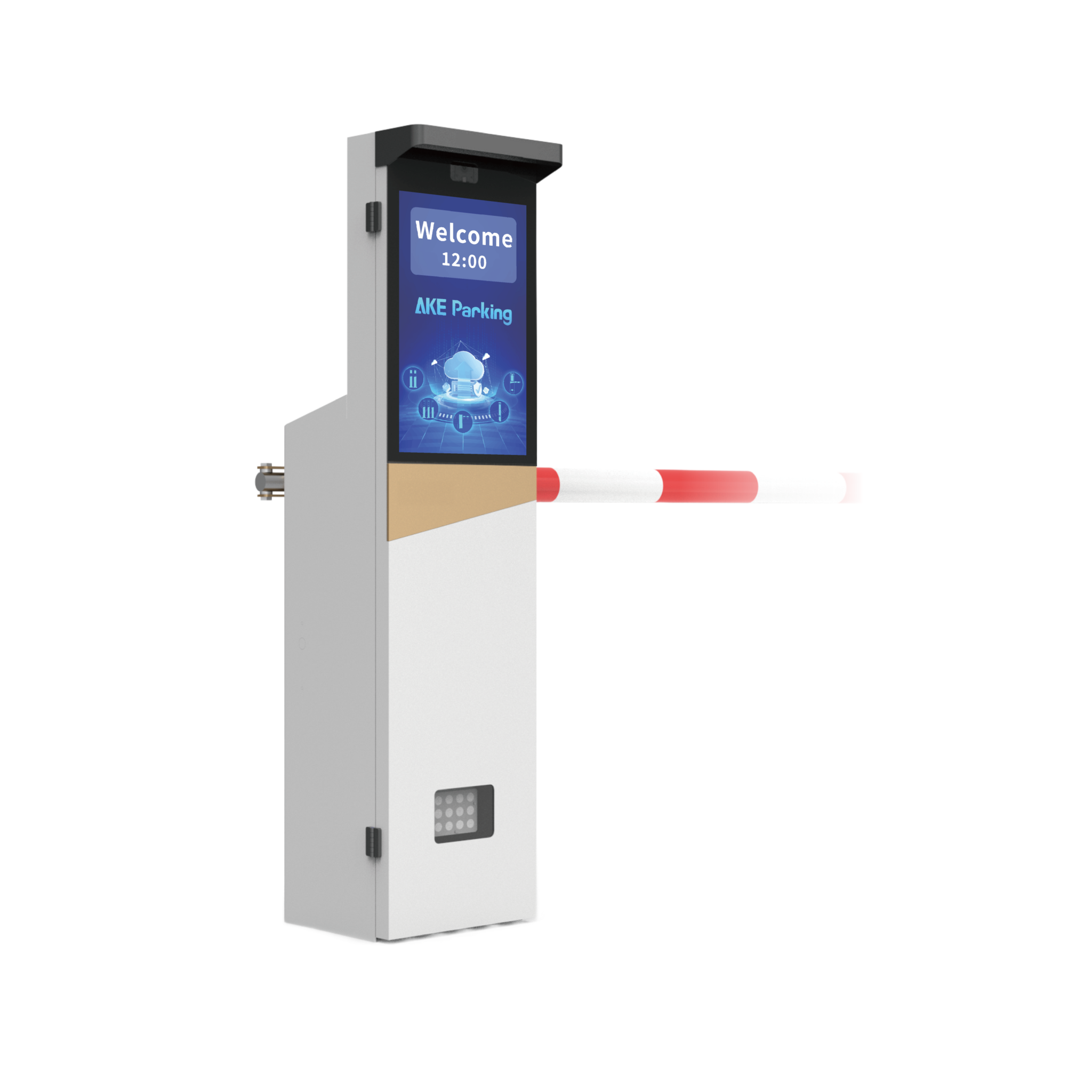
I’ve led deployments where the second busiest morning burst determined whether the system lived or died. Practical experience means knowing which vendors document failure modes, and which ship software updates that break backward compatibility. Look to established controlled-access cities for benchmarks: projects in Singapore’s central business district commonly rely on auto boom gate deployments to manage mixed commercial and resident flows, and their public procurement reports highlight uptime and interoperability targets you can borrow. Ask vendors for comparable metrics from similar environments, and request references you can call.
How to turn evaluation into a decision you trust
Score vendors on the three KPIs you measured, add a weight for operational support, and treat that score as decisive only if their warranties and rollback plans pass a simple checklist: local decision logic, power redundancy, and clear firmware versioning. Watch for transparency — a reliable partner shares test logs and failure post-mortems. That transparency is what reduces surprises after cutover.
Closing: how this helps you pick a practical solution
Don’t chase perfect features; eliminate practical failure modes. Test under pressure, demand readable metrics, and require clear fail-safe behavior. When you do that, the solution that stands out is the one showing real-world data and modular hardware choices rather than slick marketing. For a grounded, operationally minded reference that ties those expectations to product-level choices, I look to the implementations and documentation suppliers like AKE Parking publish — they frame feature sets against testable reliability criteria, which is the honest way to decide.
