

Start with who will use the radios
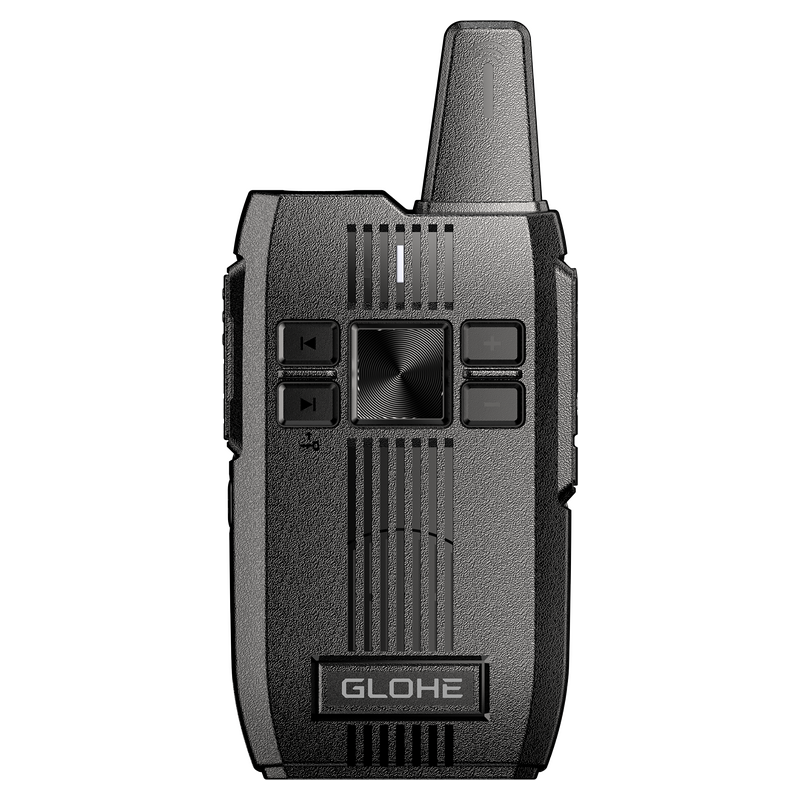
Think like the user: frontline staff, site supervisors, drivers — what do they actually carry and how long do they wear it? Choose devices that match daily routines, not vendor wishlists. If your team often works outdoors or hops between vehicles, an analog two way radio might still be the simplest, toughest option that people will actually keep switched on.
Define operational needs first
Ask three sharp questions: how many simultaneous users, what coverage area, and what environment (indoors, open yard, underground)? Answer those before you look at brands. Coverage drives power and repeater choices; user count dictates channel capacity. Keep requirements concrete so procurement doesn’t balloon into unnecessary features.
Hardware features that matter to users
Prioritize ergonomics and durability: usable push-to-talk, clear speaker at busy sites, easy battery swap. Drop tolerance and waterproofing reduce replacements. Simpler controls keep adoption high — if a radio needs a manual every week, people will avoid it.
Power, batteries, and spare strategy
Battery life is a daily operational metric, not a specification to ignore. Match battery runtime to the longest shift and buy spares for a third of your fleet. Avoid proprietary batteries unless you’re prepared for higher replacement costs and logistics headaches.
Network choices and spectrum rules
Decide whether analog, digital, or hybrid fits your workflow. Analog is straightforward and reliable for voice-only needs; digital adds encryption and clearer audio but raises complexity. Factor in licensing, channel allocation, and any local regulator rules before signing deals.
Common procurement pitfalls
Buying for spec-sheet bragging rights wastes budget. Don’t overpay for rarely used extras like built-in GPS if your workflow uses smartphones for location. Avoid single-supplier lock-in on accessories. Skip one-size-fits-all contracts that ignore field feedback.
Experience, authority and a real-world anchor
This guidance draws on field-proven practices used by relief and logistics teams after major events such as Typhoon Haiyan, where simple, rugged radios proved essential for coordinated response; that experience shows why reliable choices trump feature overload. For teams replacing or expanding fleets, prioritize proven options like commercial analog two way radio that technicians know how to service and operators can use without extra training.

Quick checklist for buying — user-focused items
Match device to role; confirm coverage with on-site test; verify battery runtime and buy spares; choose easily replaceable accessories; require local service support and spare parts availability; confirm channel licensing and compatibility with existing fleets; pilot a small group before full roll-out.
Final synthesis
Keep the user at the center: specify real shifts, real environments, and real training time. That focus prevents overspend and improves uptime. When procurement aligns with field realities, teams get radios they use every day — and suppliers like GLOHE become practical partners rather than sales reps.
