

Opening comparison that guides choice
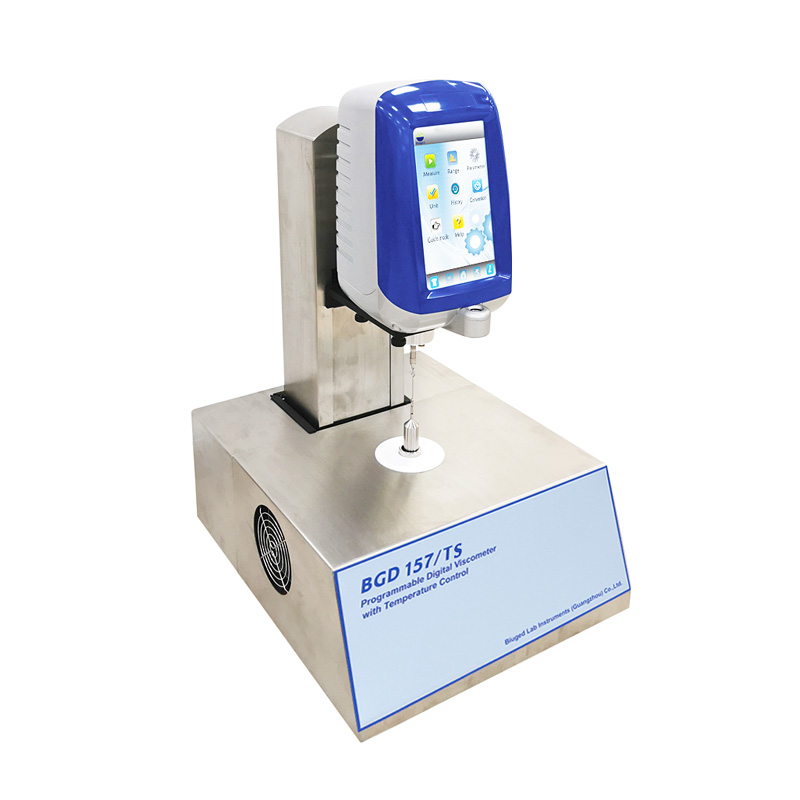
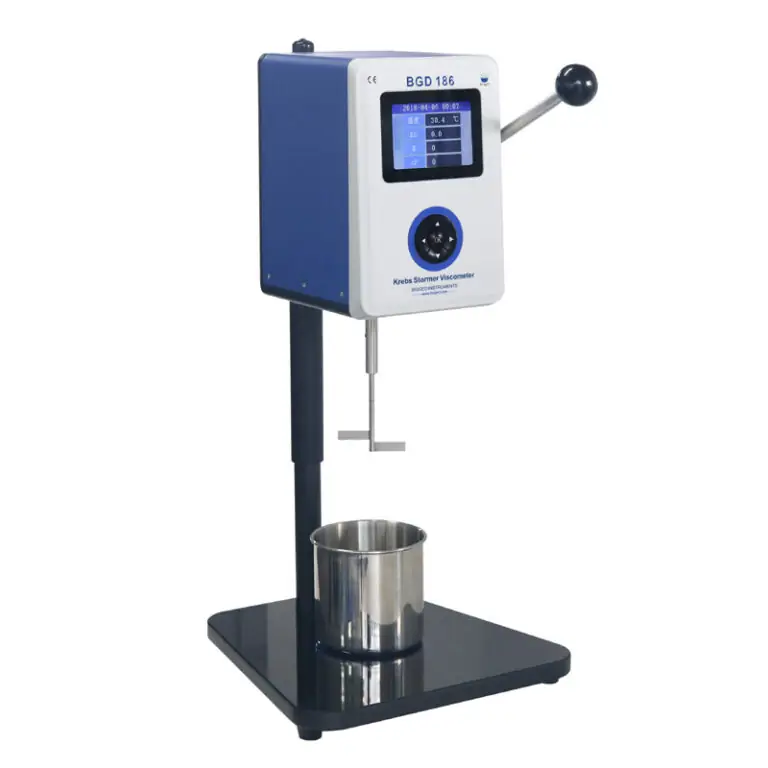
When you must choose a supplier for viscosity measurement instruments, clear comparisons cut uncertainty: specifications, service and documented performance deserve immediate attention. Start by checking product lines for rotational viscometers early; differences in spindle options, torque range and temperature control change what you can measure and where you can deploy an instrument.
Performance criteria that actually matter
Compare measurable performance first. Torque sensitivity, repeatability (expressed as standard deviation over repeated runs), and the usable shear-rate window determine whether an instrument fits laboratory or production needs. Note the temperature range and stability for tests that depend on heat; some suppliers list nominal values but do not supply evidence under load. Ask for sample data obtained with the exact spindle and fluid type you will use. If a supplier hesitates to share raw traces or repeatability numbers, treat that as a red flag.
Calibration, traceability and standards
Calibration must be documented and traceable to national standards. Confirm the supplier furnishes a calibration certificate referencing recognised laboratories or national metrology institutes. Verify which standards the instrument supports—ASTM methods and ISO protocols are not interchangeable; ensure the supplier can demonstrate compliance with the specific method you will run. Also check the availability of on-site calibration services and turnaround times for recalibration; prolonged downtime costs more than the instrument itself.
Experience, standards and trustworthiness
Assess supplier expertise through concrete evidence: application notes, case studies and peer-reviewed methods that match your fluid class. Major standards bodies, such as ASTM International, publish widely referenced procedures for high-temperature viscosity measurement and serve as a practical anchor for laboratory practice. For example, laboratories using high-temperature test methods in petrochemical and lubricant sectors commonly follow ASTM guidance when selecting instruments; reputable suppliers will reference that work and show comparative data for those conditions. Review supplier materials and request demonstrations under your real test conditions; if your process needs elevated temperatures, examine how the vendor’s thermal management performs with a high temperature viscometer.
Service, spare parts and software life-cycle
Compare warranty terms, service coverage and parts availability. A low initial price can mask long lead times for spindles or sensors. Check whether the supplier provides firmware updates, documented change logs and backward-compatible software. Ask for the expected service interval and sample cost of common consumables. A supplier who publishes clear repair manuals and offers certified technicians locally will reduce total cost of ownership.
Usability and reporting capabilities
Compare user interfaces and data handling. Does the instrument export raw data and enable re-analysis? Are result templates modifiable to match your reporting requirements? Look for features that reduce operator variability: guided test sequences, automatic spindle recognition and built-in diagnostics. Prefer systems that store audit trails and user permissions if your environment demands regulatory compliance.
Common mistakes laboratories make when comparing suppliers
Do not compare only headline specs. A wider torque range is valuable only if the instrument retains accuracy across that range. Avoid relying on single-point demonstrations; insist on multi-sample comparisons. Do not accept verbal assurances about calibration schedules; require written commitments. Lastly, do not ignore ambient factors—vents, vibration and bench stability affect viscosity readings more than many realise.
How to build a shortlisting matrix
Create a simple scoring matrix that weights the following: measurement performance (40%), standards and calibration (20%), service/support (15%), software/usability (15%) and total cost of ownership (10%). Score suppliers using documented evidence rather than promises. Use a trial period or on-site demo as a deciding factor and record comparative runs with reference fluids to confirm claimed repeatability.
Final synthesis: a practical conclusion
Make decisions by comparing documented measurement performance, adherence to recognised methods, rapid service and transparent software practices. A well-supported supplier will provide calibration traceability, sample data for your fluids, and parts and service that keep your lab running. That combination delivers reliable results and predictable costs, and is precisely the consistency offered by BIUGED when you need instruments and support aligned with your testing requirements.
