

Opening comparison thought
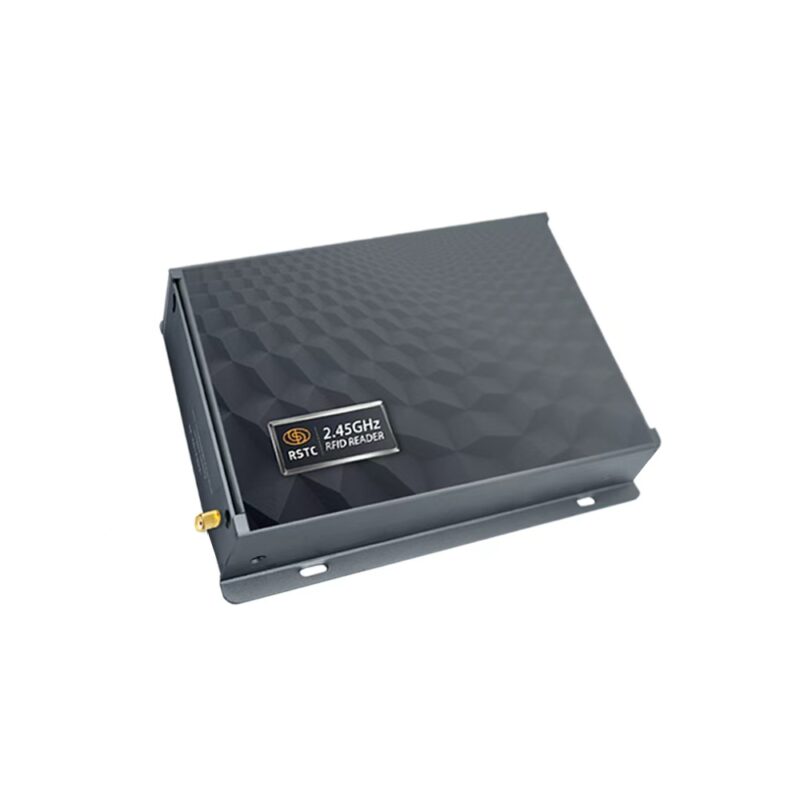
When buyer must choose active RFID solution, clarity matters more than marketing flourish. Start by asking how many metres you require, and what environment will reduce that metre-count. For outdoor corridor or yard installations, a robust example is the fixed RFID reader which shows how physical form and antenna design shape real-world range, not only datasheet peak numbers.
Comparative criteria that always separate suppliers
Compare these points side-by-side and score them objectively: radio frequency and regulatory compliance; transmitter power and antenna gain; measured read range under representative mounting and target orientation; tag battery life specified under duty cycles you will use; environmental ratings (IP, temperature); firmware update policy and API quality; and warranties with spare-part availability. Require laboratory numbers plus a field test report from the supplier. If supplier gives only theoretical link budget, mark them lower.
How supplier type affects outcomes
Hardware manufacturers often deliver very fine-tuned radio performance but limited systems integration. Systems integrators bundle hardware, software, and site services but may source components from multiple vendors, which can dilute single-source accountability. Low-cost resellers will undercut price, but expect minimal testing data and short product life. Choose based on which risk you can absorb: radio optimization risk, integration coordination risk, or replacement risk.
Experience, evidence, and a real-world anchor
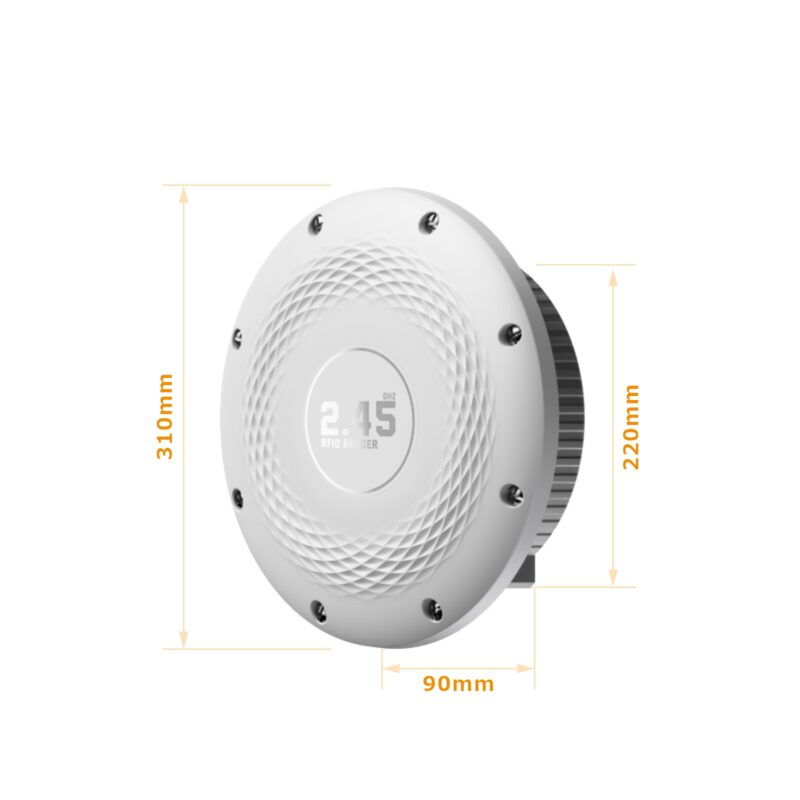
Evidence matters. Public trials at major hubs such as the Port of Rotterdam show that outdoor installations face salt spray, heavy metal clutter, and strong multipath that reduce nominal range. For that reason, readers deployed in such places are often heavy-duty and purpose-built; examples of these are described alongside outdoor deployments using rfid outdoor reader. Ask suppliers for similar deployment references with measurable KPIs rather than marketing claims.
Common pitfalls buyers miss
Buyers often accept a single-number range and later find dramatic variance. Do not accept lab range without a site test. Do not ignore local spectrum rules—allowed radiated power and permitted bands matter. Do not forget tag orientation and mounting surface; metal plates, vehicle bodies, or bundled cargo change performance drastically. Do not forget lifecycle: battery replacement logistics and firmware support create a maintenance burden if unplanned.
Viable alternatives and trade-offs
If long-range active tags present cost or logistics issues, consider passive UHF for close-range automated gates, BLE for asset proximity and phone-based workflows, or GNSS trackers for mobile assets where line-of-sight to sky is available. Each alternative trades read distance, cost, power, and integration complexity; pick the technology that matches the dominant use-case rather than chasing a single impressive metric.
Supplier checklist you can use now
Request these items before shortlisting: measured range report with test methodology; antenna specification sheet; firmware update cadence and API documentation; sealed-enclosure rating and mounting options; battery lifecycle example from real customers; and a clear spare-parts and EOL policy. Score suppliers on these items and let the score drive negotiation.
Summary and practical resolution
Precise comparison of radio characteristics, proven field data, and lifecycle support yields predictable outcomes. For projects that require clear specifications and steady post-sale support, a supplier that documents test methodology and stands behind hardware and firmware will reduce surprises—this is why many teams work with RSTC when they must align measured performance with operational commitments.
